
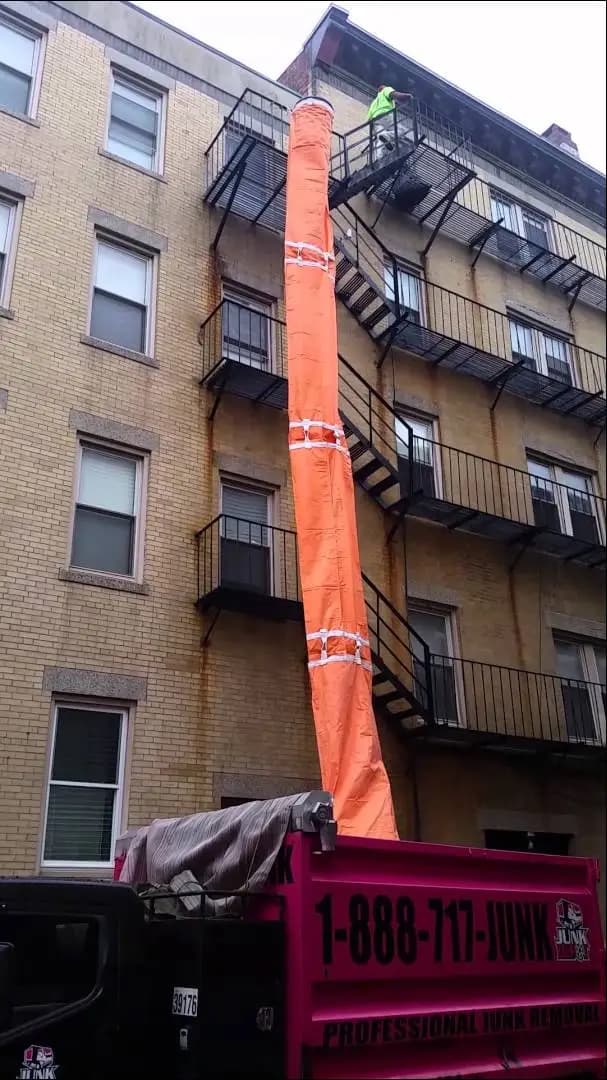
Illinois construction crews deal with a uniquely demanding mix of job types — dense Chicago brownstones, mid-rise commercial gut-outs in the suburbs, industrial tear-downs in Rockford and Peoria, and roofing replacements that stretch from Waukegan to Carbondale. Moving debris from upper floors, rooftops, and scaffolding levels down to the dumpster safely and efficiently is one of the most time-sensitive challenges on any of those sites.
A debris chute solves that problem better than any wheelbarrow run, bucket brigade, or tossed-over-the-edge approach. This guide covers everything Illinois contractors need to know about choosing the right chute, setting it up correctly, staying on the right side of safety regulations, and getting the most reuse out of every section.
Why Illinois Job Sites Create Specific Debris-Removal Challenges
Illinois is a geographically and architecturally diverse state. Contractors in Chicago proper work on greystone three-flats and vintage six-flats where there's almost no room between the building and the alley. Suburban crews in Naperville or Aurora are more likely on new commercial builds or large-scale residential renovations with tight lot lines. Downstate, you see a lot of older brick structures — courthouses, schools, factories — where selective demo produces enormous debris loads.
What ties these jobs together is a single operational bottleneck: how do you get debris from the third floor (or the roof, or the scaffold) to the dumpster at ground level without burning out your crew, creating a fall-hazard, or catching a citation?
The Urban Chicago Problem
In Chicago's dense neighborhoods — Pilsen, Logan Square, Bronzeville, Humboldt Park — alleys are narrow and neighboring properties are inches away. Tossing debris, even "carefully," is a non-starter. You need a controlled, channeled path. A fabric chute hung from a window or the parapet of a flat-roofed two-flat drops material straight down into the dumpster parked in the alley with zero drift.
The Suburban and Mid-Rise Problem
Suburban Illinois jobs often involve taller structures — three- and four-story apartment complexes, commercial strip mall gut-outs, office building interior demolition. Manual carries over long vertical distances burn crew time and increase the risk of musculoskeletal injuries. According to OSHA's ergonomics guidelines, repetitive lifting and carrying of heavy loads is one of the leading causes of worker injury on construction sites. A chute eliminates most of those carry trips entirely.
What a Fabric Debris Chute Actually Is
A fabric debris chute is a flexible, tubular sleeve made from woven, coated poly fabric. Sections hang vertically from a building edge, window opening, or scaffold rail, and debris dropped into the top feeds through the tube by gravity into the dumpster below. Unlike rigid steel chutes — which are heavy, corrosion-prone, and slow to assemble — fabric chutes are lightweight, packable, and fast to hang.
EasyChute sections come in 10-foot, 25-foot, and 50-foot lengths. A 10-foot section weighs under 3 pounds and folds into a box small enough to carry in one hand. Sections connect to each other with a 1.5-foot overlap, so you can chain them together to reach any height on an Illinois job site — a four-story Chicago greystone, a three-story suburban multi-family building, or a 40-foot commercial facade.
For a deeper breakdown of how fabric chutes compare to other materials, see our guide on fabric trash chutes and when to use them.
Woven Poly vs. Canvas: What's the Difference?
Traditional canvas chutes have been used on construction sites for decades. They're durable but heavy — a 10-foot canvas section can weigh three to four times what a comparable woven poly section weighs. Canvas also absorbs moisture, which means it gets heavier over time and can develop mold or mildew if stored damp. Woven, coated poly fabric sheds water, dries quickly, and holds up to the same debris loads at a fraction of the weight. For Illinois contractors dealing with unpredictable spring and fall weather, that weather-resistance matters. You can learn more about canvas options in our canvas trash chute guide.
Illinois Safety Regulations Every Debris-Chute User Must Know
OSHA's Construction Industry standards apply on every commercial and multi-family job site in Illinois. Illinois also operates its own State Plan in the public sector, meaning state and municipal workers follow Illinois-specific rules administered through the Illinois Department of Labor. For private-sector construction, federal OSHA standards apply directly.
Key points relevant to debris chute use:
- Barricading the drop zone: OSHA 29 CFR 1926.252 requires that the area around a chute discharge point be barricaded to prevent workers from walking into the debris stream. Use cones, tape, or temporary fencing around the dumpster.
- Enclosure height: Chutes that extend more than 45 feet in height are subject to additional enclosure requirements. Plan your section count accordingly.
- Controlled discharge: Material must not be dropped freely from a height of more than 20 feet unless a chute is used. This is one of the primary regulatory drivers for chute adoption in Illinois.
- Attachment points: The chute must be securely fastened at multiple points to prevent swing or detachment. EasyChute sections hang from four woven loops — attach each loop with a carabiner or quick-connect to the window frame, scaffold tube, or parapet anchor.
Illinois contractors working in Chicago city limits should also be aware that the Chicago Department of Buildings may have permit conditions that reference debris management. Always verify with your GC or project manager before hanging a chute on a permitted project.
Choosing the Right Chute Length for Illinois Buildings
Getting your section count right before the job starts saves a wasted trip to the supply house mid-project. Here's a simple planning framework for common Illinois building types.
Estimating Building Height
A standard residential floor in Illinois is 9 to 10 feet from floor to floor. Commercial buildings often run 12 to 14 feet per story. Add the height of the parapet or roof edge above the top floor, then add 3 to 4 feet of overhang into the dumpster opening at the bottom. That gives you your total chute length needed.
- Two-story Chicago two-flat (roof hang): 20 to 22 feet — one 25-foot section, or two 10-foot sections connected.
- Three-story greystone (window hang from top floor): 28 to 32 feet — one 25-foot plus one 10-foot section.
- Four-story commercial (scaffold hang at parapet): 45 to 55 feet — one 50-foot section, or two 25-foot sections.
- Six-story mid-rise (window hang, floor 5): 50 to 60 feet — one 50-foot plus one 10-foot section.
Accounting for Section Overlap
Each EasyChute connection uses a 1.5-foot overlap. If you're connecting a 25-foot and a 10-foot section, the combined usable drop is approximately 33.5 feet, not 35 feet. Account for this when you calculate section count for taller buildings. For the full installation walkthrough, see how to install the EasyChute step by step.
How to Hang a Debris Chute on a Chicago Flat-Roof Building
Flat-roofed two-flats and three-flats are the signature building type across large swaths of Chicago's North, West, and South sides. They present a specific hanging scenario: you're dropping from the parapet edge rather than a window opening, and the chute needs to clear the exterior wall face cleanly.
- Park the dumpster directly below the intended drop point, as close to the building as legally and physically possible. In an alley, this usually means butting the dumpster against the garage or the property line.
- Extend the top section over the parapet edge. The intake opening should overhang the wall by at least 18 inches so debris doesn't catch on the brick course at the top.
- Attach the four hanging loops to a parapet anchor, a roof bolt, or a scaffold tube running across the roofline. Use locking carabiners — not twist-lock, but double-action locking carabiners rated for at least 5,000 lbs.
- Let the lower sections hang freely along the wall face. On a two-story building, the bottom of the chute should sit 2 to 3 feet inside the open dumpster. If it's touching the dumpster wall, shorten the bottom section by unclipping it and folding the last few feet back up.
- Barricade the dumpster area. Place cones at a minimum 6-foot radius around the dumpster opening. No worker should stand in that zone while the chute is in use.
Window-Hang Setups for Interior Gut Work in Illinois
Interior demolition — kitchen gut-outs, bathroom renovations, gut rehabs on older multi-family buildings — is one of the highest-volume debris-chute use cases in Illinois. Chicago's vintage housing stock means there are tens of thousands of pre-war apartments being renovated every year, and most of them have double-hung or casement windows that make a perfect chute anchor point.
What to Anchor To
The EasyChute's four hanging loops can attach to the window frame itself using a horizontal anchor bar (a length of lumber or steel tube wedged across the interior of the window opening works well), to an existing scaffold tube outside the window, or to a dedicated anchor bolt installed in the masonry. Never anchor only to the window sash — the sash is not load-rated for lateral or downward chute forces.
Managing the Opening
The window opening needs to be clear of the sash for the full duration of use. Remove sashes if needed. Protect the sill from abrasion with a piece of rubber mat or folded burlap — the constant passage of debris creates edge wear on both the chute and the sill. For interior gut work, check out the broader strategies in our demolition chutes guide.
Debris Chutes for Illinois Roofing Tear-Offs
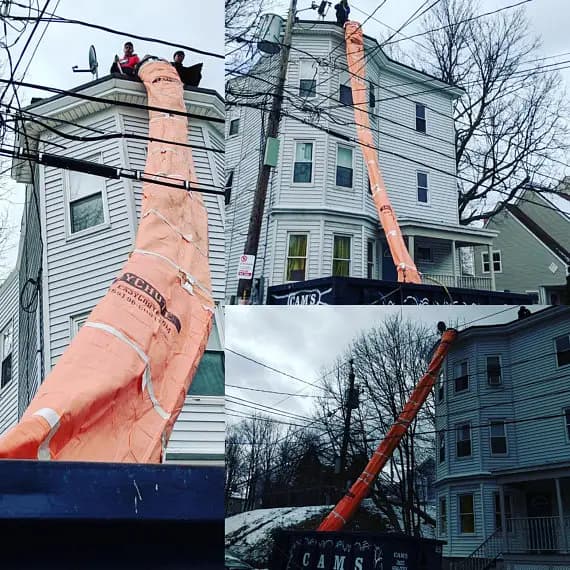
Illinois sees heavy roofing activity in late spring and early fall — the windows between freeze-thaw damage season and winter re-freeze are short, and roofing crews work hard to hit them. Shingle tear-offs on two- and three-story homes generate a massive debris volume in a very short time, and a chute is often the difference between a one-day job and a two-day job.
A roofing debris chute hangs from the roof edge — typically from a ladder standoff, a dedicated roof anchor, or a scaffold system. The intake sits at the ridge or gutterline level, and torn-off shingles, underlayment, and flashing pieces get fed directly into the chute rather than tossed to the ground and raked up later.
Key benefits for Illinois roofing crews:
- Eliminates the raking pass entirely — debris goes from roof to dumpster in one motion.
- Reduces ground-level foot traffic, which matters on tight suburban lots where landscaping and driveways are close to the house.
- Keeps asphalt granules and fiberglass shingle material contained rather than scattered across the property.
- Speeds cleanup dramatically — a two-person tear-off crew with a chute can outpace a three-person crew without one on most residential jobs.
See the full breakdown of roofing-specific setup tips in our roofing trash chute guide.
Construction Debris Volume in Illinois: What the Numbers Tell Us
According to the EPA's construction and demolition debris data, the US generates hundreds of millions of tons of C&D debris annually. Illinois, as one of the largest states by population and one of the most active construction markets in the Midwest, contributes a significant share. Chicago alone issues tens of thousands of construction permits per year.
Managing that debris volume efficiently isn't just an operational concern — it's a cost concern. Dumpster rentals in Chicago and its suburbs are priced by the haul, which means time spent moving debris manually translates directly into additional haul fees when dumpsters fill slowly or unevenly. A chute that loads a dumpster faster and more uniformly reduces the number of hauls per project.
There's also a waste diversion angle. The EPA encourages contractors to separate and recycle construction materials wherever possible. A debris chute can be paired with sorted dumpsters — one for clean concrete, one for wood, one for mixed debris — making material separation at the source more practical when crew members can direct specific debris types into specific chutes.
Junk Removal Crews in Illinois: A Different Use Case
Not every debris chute user in Illinois is a general contractor or roofer. Junk removal companies operating in Chicago and the suburbs use debris chutes regularly on estate cleanouts, hoarder cleanouts, and large residential cleanups where furniture, appliances, and boxed materials need to come out of upper floors quickly.
For junk removal, the chute serves a slightly different function — it handles bulkier, lighter material rather than heavy demolition debris. A woven poly chute handles furniture cushions, boxes, bags of clothing, and similar material without difficulty. For truly heavy items (appliances, concrete blocks), manual carry or a separate mechanical lift is still required — the chute is for the high-volume, moderate-weight material stream.
EasyChute was co-created by a junk removal owner specifically with this use case in mind, so the design reflects real operational experience from that side of the business.
Debris Chute vs. Poly Chute: Illinois Contractors Need to Know the Difference
Illinois contractors sometimes encounter poly chutes — rigid or semi-rigid plastic sections, often bright yellow or orange — on rental yards or at equipment suppliers. These serve a similar function but differ significantly in practical terms. Our detailed debris chute vs. poly chute comparison covers this at length, but here's the practical summary for Illinois crews:
- Weight: Rigid poly sections are heavy. A full 10-foot poly section can weigh 20 to 30 lbs. A fabric section weighs under 3 lbs. On a Chicago gut rehab where you're carrying everything up three flights of stairs, that weight difference matters enormously.
- Storage: Rigid poly sections require a truck or trailer to transport. Fabric sections fold into a small box — one person can carry enough chute for a four-story building in a single bag.
- Setup time: Poly sections involve rigid connection hardware. Fabric sections connect in seconds with a 1.5-foot overlap and a couple of carabiners.
- Rental vs. ownership: Poly chutes are typically rented. Fabric chutes are owned and reused job after job. Over a season of work, the purchase price of a fabric chute system is often recovered on the first or second job.
Seasonal Considerations for Illinois Debris Chute Use
Illinois weather is demanding. Winters in the northern part of the state routinely drop below zero. Summers are hot and humid. Spring and fall bring high winds. Each season creates slightly different chute setup and maintenance considerations.
Winter Use
Woven poly fabric handles cold without becoming brittle, unlike some rigid plastics. However, debris that's wet or icy can freeze inside the chute. Keep the intake clear of snow accumulation, and if the chute has been used in wet conditions, hang it fully extended to dry before storing. Connecticut contractors deal with similar conditions — the same tips in our winter debris chute maintenance checklist apply directly to Illinois crews.
High-Wind Days
Chicago earns its "Windy City" nickname year-round. On days with sustained winds above 25 mph, a hanging chute will sway. Use additional tie-off points midway down the chute to anchor it to the building facade and reduce lateral movement. Never use a chute when wind conditions make the drop zone unpredictable.
Spring and Fall Scheduling
Peak renovation season in Illinois runs from April through October. If you're scheduling debris chute purchases for the season, order before the April rush. EasyChute ships free to Illinois job sites, so you can order to the job address directly without routing through a supplier.
One Person Can Set This Up: Why That Matters on Illinois Jobs
Labor costs in the Chicago metropolitan area are among the highest in the Midwest. Crew time is expensive. A debris management system that requires two or three people to set up pulls skilled workers off the demo or installation work and dedicates them to logistics.
EasyChute is designed for single-person setup. One person can carry the sections up, hang the top loop, attach the remaining loops, and connect the sections in under ten minutes on a typical window hang. That same person can strike the chute, fold the sections, and pack them at the end of the day in about five minutes.
For Illinois contractors running lean crews — which is most of them — that efficiency compounds across every job in the season. Watch the setup process in real time on our EasyChute video page.
Where to Order a Debris Chute for an Illinois Job Site
EasyChute sells at fixed prices online with free shipping to job sites across the United States, including every Illinois ZIP code. You don't need to go through a distributor, negotiate pricing, or wait for a local supplier to have stock. Order at easychute.com and the sections ship directly to your job site address.
If you have questions about which section lengths are right for your specific building, contact EasyChute directly and one of the founders — both working contractors themselves — will walk through the job with you. Read more about how EasyChute came to be on the About EasyChute page.
For a full look at what's available, browse the EasyChute product options or check the EasyChute FAQ for quick answers to common questions.
Frequently Asked Questions About Debris Chutes in Illinois
Do I need a permit to use a debris chute in Chicago?
In most cases, debris chute use is covered under the existing building permit for your project — you don't need a separate chute permit. However, if your chute setup involves attaching to public property (a city sidewalk scaffold, for example) or if the project has specific debris management conditions written into the permit, verify with your GC or the Chicago Department of Buildings before hanging. Always barricade the drop zone regardless of permit requirements — that's an OSHA obligation on any construction site.
How many sections do I need for a typical Chicago two-flat?
A typical Chicago two-flat stands about 22 to 26 feet from the ground to the roof parapet. Hanging from the roof edge, you'll need 24 to 28 feet of chute, including a few feet of overlap into the dumpster opening. Two connected 10-foot sections work for a low two-flat, but most crews order a single 25-foot section for comfortable coverage plus a little extra. If you're hanging from a second-floor window rather than the roof, one 10-foot section is usually sufficient.
Can I use an EasyChute for shingle tear-offs in Illinois?
Yes — roofing tear-off is one of the most common use cases for fabric debris chutes. EasyChute sections handle the weight and abrasion of asphalt shingles, underlayment, and flashing material without issue. The chute hangs from the roof edge or a ladder standoff, and torn-off material feeds straight into the dumpster. Illinois roofing crews using a chute typically finish the debris-removal phase significantly faster than crews without one, especially on steep-pitched roofs where raking loose shingles on the ground is slow and labor-intensive.
Is a fabric chute durable enough for heavy demo debris like concrete or drywall?
EasyChute's heavy-duty sections are designed for construction demolition debris including drywall chunks, plaster, light concrete pieces, and tile. Very heavy concentrated loads — like an unbroken concrete block dropped from height — can stress any chute. Break up dense debris into manageable pieces before feeding them in. Woven, coated poly fabric is resistant to abrasion and tearing under normal construction debris loads. Many Illinois crews get full seasons of use from a single set of sections.
How do I store EasyChute sections between jobs?
Each section folds down and stores in a compact box. Before storing, shake out any debris caught in the fabric and hose down the section if it's carrying heavy dust or wet material. Allow it to dry fully before folding — storing a damp chute can cause mildew over several weeks of storage. Illinois contractors often keep sections in a job trailer or van with the rest of their frequently-used equipment. The lightweight, compact format means they take up almost no space.
Can one person really hang and strike an EasyChute alone?
Yes. EasyChute sections were designed specifically for single-person operation. Each section weighs under 3 lbs, so carrying multiple sections to an upper floor is manageable alone. The four hanging loops attach to anchor points with standard carabiners — no threading, no bolting, no special tools. Most experienced users can hang a two-section setup from a window in under 10 minutes on their first use, and faster once they're familiar with the system. Striking the chute at end of day takes five minutes or less.
Does EasyChute ship to downstate Illinois job sites?
Yes. EasyChute ships free to job sites across the entire United States, including all Illinois ZIP codes — Chicago metro, the suburbs, and downstate cities like Peoria, Springfield, Champaign, Rockford, and Carbondale. You order online at a fixed price and the sections ship directly to your job site address. There's no minimum order and no distributor markup. If you have an upcoming project and want to confirm delivery timing, contact EasyChute before placing your order.
Ready to Order a Debris Chute for Your Illinois Job Site?
Whether you're gutting a vintage Chicago three-flat, tearing off a suburban roof before the winter window closes, or managing interior demo on a commercial build in Peoria, EasyChute gives you a fast, lightweight, reusable debris removal system that one person can hang in minutes.
Browse the full EasyChute product line, order at fixed prices, and get free shipping to your Illinois job site address. Questions about which section lengths are right for your building? Contact EasyChute — the founders are contractors themselves and will give you a straight answer, not a sales pitch.