

Index
- Debris Chute Rental Cost Range for New Haven, CT in 2026
- Daily vs. Monthly Rental Costs: Which Model Fits Your Project
- How Chute Size Affects Your Rental Quote
- Delivery, Setup, and Removal Fees You Need to Budget
- Hidden Costs: What Contractors Often Miss
- New Haven Permits and Compliance Costs
- Financing Options and Payment Plans
- Rental vs. Purchase: When Does Ownership Make Sense
- Seasonal Pricing Variations in Connecticut
- Insurance and Liability Coverage Requirements
- How to Negotiate Better Rates for Your Crew
- Frequently Asked Questions
- Ready to Get Your New Haven Quote
Debris Chute Rental Cost Range for New Haven, CT in 2026
In New Haven, CT, debris chute rental costs typically range from $500 to $3,500 per month depending on chute size, rental duration, and delivery complexity. Daily rates for short-term projects run between $50 and $200 per day, making them attractive for quick renovations or demolition phases.
The most common rental scenario for New Haven contractors involves a 4–6-week engagement at the middle tier: roughly $1,200–$1,800 per month for a standard modular system that handles typical residential and light commercial debris loads. This price covers basic delivery, setup, and pickup.
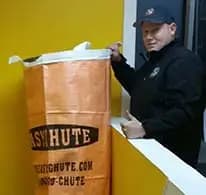
Pricing in New Haven is slightly higher than pricing in nearby Springfield, MA due to urban access constraints and higher labor costs in the New Haven metro area. Expect to budget an additional 10–15% if your site has narrow streets, limited parking, or multi-story access challenges.
Daily vs. Monthly Rental Costs: Which Model Fits Your Project
Choosing between daily and monthly rental hinges on your project timeline and utilization rate. Daily rentals work well for jobs lasting fewer than 7–10 days, whereas monthly contracts deliver better value for renovations spanning 4 weeks or more.
When Daily Rentals Make Sense
- Demolition phases — 3–5 day tearout before main renovation work begins
- Roof or siding replacement — quick debris volume spikes
- Emergency cleanups — post-storm debris management
- Small jobs under $25K — contractor minimizes upfront costs
Daily rates in New Haven average $75–$125 per day for standard modular systems. Longer daily commitments (5+ consecutive days) sometimes qualify for week-long discounts.
When Monthly Rentals Deliver Value
- Kitchen or bathroom remodels — 4–8 weeks of steady debris
- Structural work — framing, foundation, or mechanical updates
- Multi-unit renovation — whole-building or complex projects
- Predictable workflow — your crew generates consistent daily debris volume
Monthly contracts typically unlock 20–30% savings compared to daily-rate stacking over the same period. A $125/day chute costs $3,750 over 30 days if billed daily; a monthly contract for the same system may run $1,400–$1,800.
How Chute Size Affects Your Rental Quote
Debris chutes come in three primary modular section sizes, and your choice directly impacts cost and efficiency. Larger systems cost more to rent but handle higher-volume debris in fewer passes, reducing labor time on site.
Standard 24″ Diameter Chute
- Monthly rental: $1,200–$1,500
- Best for single-family home renovations, kitchen/bath remodels, roof work
- Typical debris capacity: 8–12 bags per drop
- Fits tight residential access points and older building facades
Medium 30″ Diameter Chute
- Monthly rental: $1,600–$2,100
- Ideal for multi-family units, light commercial, mixed debris types
- Typical debris capacity: 15–20 bags per drop
- Better for high-debris projects (demolition, full kitchen updates)
Large 36″ Diameter Chute
- Monthly rental: $2,200–$3,000
- Commercial demolition, large-scale renovation, high-rise work
- Typical debris capacity: 25–35 bags per drop
- Requires stronger building attachment points and more floor space at discharge
For a detailed cost breakdown by section size, see our cost comparison by section size guide.
Delivery, Setup, and Removal Fees You Need to Budget
Most New Haven rental quotes list a single monthly or daily rate, but ancillary fees often surprise contractors who don’t plan ahead. Separating these out helps you negotiate and forecast true project cost.
Delivery and Installation
- Standard delivery (0–5 miles from rental center): $150–$300
- Extended delivery (5–15 miles): $300–$500
- Crane or lift assistance (multi-story urban sites): $400–$800 additional
- After-hours or weekend delivery: 25–50% premium
New Haven’s urban density often triggers crane fees because building access requires overhead rigging or boom-truck placement.
Removal and Cleanup
- Basic removal (compact chute, sweep site): $150–$250
- Deep cleanup (debris under chute, dumpster repositioning): $250–$400
- Extended equipment rental (chute stays 1+ days past contract end): daily rate prorated
Damage or Overuse Fees
Rental agreements include standard wear-and-tear coverage, but impacts, dents, or section damage beyond normal use may incur $50–$300 per incident. Always inspect the chute at arrival and document condition in writing.
Hidden Costs: What Contractors Often Miss
Beyond the base rental rate, several unexpected line items can blow your budget. Our comprehensive hidden costs guide covers these in depth, but here are the New Haven-specific pitfalls:
Site Access and Parking
- Street permit for equipment parking: $25–$75 per day (New Haven parking enforcement is strict)
- Temporary dumpster placement fee: $50–$150 if site lacks permanent space
- Neighbor notification or route planning: sometimes required by city, minimal cost but can delay delivery
Building-Specific Charges
- HOA or condo building coordination: rental company may charge $100–$200 to schedule around building rules
- Rooftop or upper-floor access: if chute attaches to roof rather than facade, $200–$400 additional engineering/insurance
- Window or facade protection: tarps, bumpers, or temporary shielding: $150–$300
Debris Disposal Surcharges
- Hazardous material (asbestos, lead paint): specialized handling: $500–$1,500 per load
- Non-standard debris (heavy metal, roofing material): disposal fee on top of rental: $100–$300
- Recycling/sorting requirement: some contractors charge $0.15–$0.30 per pound for diversion to recycling facilities
New Haven Permits and Compliance Costs
New Haven operates under Connecticut state building codes plus city-specific ordinances. Your rental cost estimate must account for permit acquisition and compliance.
Debris Chute Permits
New Haven does not require a separate “debris chute permit,” but your construction project permit (already pulled) must note chute placement. If the chute extends beyond the building footprint or into the public right-of-way, a temporary use permit costs $50–$150 and requires 5–7 business days to process.
Street Use and Traffic Control
- Dumpster on street placement: typically included in city construction permit, no extra cost
- Traffic control plan (if chute or dumpster blocks lanes): $100–$250 for plan filing; contractor may require certified flaggers at $25–$40/hour
- Police detail (high-traffic intersections): $50–$75/hour, hired as needed
Utility Marks and Inspections
Call 811 before installation to mark underground utilities. In New Haven, this is free but can delay setup by 2–3 days. Final chute installation may require a city building inspector sign-off: budget $75–$150 for inspection fees.
Financing Options and Payment Plans
Most New Haven contractors operate on tight job-to-job cash flow. Rental companies offer flexible payment structures to ease the burden.
Standard Payment Terms
- Upfront payment (full month): 5–10% discount off quoted rate; due before delivery
- Deposit + balance model: 50% deposit, balance on final invoice (due within 30 days)
- Net-30 invoicing: for established contractors with credit history; no upfront payment required
Credit and Financing Programs
Several national chute providers offer contractor credit lines or lease-financing through third-party lenders. Monthly payments may be lower than rental, but you carry liability and maintenance risk. See our rental vs. purchase ROI calculator to compare.
Bundled Project Pricing
If you’re managing multiple New Haven-area jobs simultaneously, some rental companies offer volume discounts: 10–20% off per chute if you commit to 3+ concurrent projects. Coordinate with your project manager.
Rental vs. Purchase: When Does Ownership Make Sense
A brand-new modular chute system costs $8,000–$15,000 depending on configuration. Over 3–5 years, rental can exceed purchase cost if you run 6+ projects annually. However, ownership brings maintenance, storage, insurance, and replacement liability.
Ownership Breaks Even When:
- You operate 8+ renovation jobs per year with consistent need
- You have secure storage space (indoors, climate-controlled) to prevent corrosion
- Your crew is trained in maintenance (cleaning, inspection, minor repairs)
- Your liability insurance covers owned equipment (often requires dedicated rider)
For most single-owner or small-crew New Haven contractors, renting remains the smarter move. You avoid capital outlay, storage headaches, and maintenance downtime. Our rental vs. purchase ROI calculator shows the precise break-even point for your business model.
Seasonal Pricing Variations in Connecticut
New Haven and Connecticut broadly follow a renovation season tied to weather and school calendars. Rental rates flex with demand.
Spring Peak (April–May)
- Demand: Highest; homeowners book spring renovations
- Rate impact: +10–20% premium; some companies require 2–3 week booking window
- Availability: Limited inventory; book early or accept longer delivery delays
Summer High Season (June–August)
- Demand: Steady but less frenetic than spring
- Rate impact: +5–10% above winter base rate
- Heat considerations: Plastic sections may expand; ensure ventilation in discharge areas
Fall Transition (September–October)
- Demand: Moderate; schools resume, some projects pause
- Rate impact: Baseline rates return; good window for negotiation
- Weather risk: Early frosts may require cold-weather precautions (non-standard fee)
Winter Valley (November–March)
- Demand: Low; snow, ice, and holiday disruptions reduce activity
- Rate impact: 5–15% discount; best rates of the year
- Operational cost: Contractors incur deicing, roof-load management, and plowing fees
Book winter rentals early to lock in low rates. In 2026, expect baseline winter pricing to hold steady, with any increases tied to fuel and labor, not demand.
Insurance and Liability Coverage Requirements
New Haven general liability insurance typically covers rented equipment, but rental companies often require proof. Review your policy and the rental agreement to avoid gaps.
Standard Coverage Expectations
- General liability policy minimum: $1M per occurrence / $2M aggregate
- Equipment rental rider: Optional but recommended; covers damage to rented chute ($0–$500 deductible)
- Waiver of subrogation: Rental company may require your insurer waive right to recover from them; your broker can arrange this
Rental agreements typically hold the contractor (you) liable for damage beyond normal wear and tear. A single impact that cracks a section can cost $200–$400 to replace. Insurance riders typically run $50–$150 per rental and are worth the peace of mind.
For detailed guidance, see our insurance requirements guide for contractors.
How to Negotiate Better Rates for Your New Haven Crew
Rental rates are not fixed. Experienced contractors consistently negotiate 10–20% discounts through relationship-building and strategic timing.
Tactics That Work
- Multi-project bundles: “I have three jobs lined up over the next three months. What volume discount can you offer?” Often yields 15% off per chute.
- Flexible timeline: “I can start a week later if it saves $300.” Off-peak availability commands leverage.
- Long-term relationship: Contractors who use the same rental company annually build rapport; ask for “loyal customer” pricing.
- Off-season negotiation: Call in August or November (slow seasons) to discuss winter or spring rates; lock in deals early.
- Cash payment: Some rental companies still offer 5–10% discount for upfront, full-month payment (eliminating invoice-processing cost).
- Operational transparency: Share your project scope and timeline; rental companies respect pros who communicate clearly and reduce logistics surprises.
Red Flags in Rental Agreements
- Undefined “damage” fees: Always get written itemization of what costs extra beyond base rental.
- Automatic fuel surcharges: Confirm they’re tied to published indices (e.g., EIA fuel price), not arbitrary markups.
- Hidden minimum delivery distance: Some quotes exclude delivery if you’re within city limits; confirm all-in pricing before signing.
Frequently Asked Questions
What is the average debris chute rental cost in New Haven, CT for a one-month project?
Most standard modular chutes (24″ diameter) rent for $1,200–$1,800 per month in New Haven. Medium systems (30″) run $1,600–$2,100, and large systems (36″) cost $2,200–$3,000 monthly. Delivery, setup, and removal fees add another $300–$1,000 depending on site complexity. Always request an all-in quote that spells out every charge.
Are there cheaper alternatives to renting a debris chute in New Haven?
Dumpster rental is typically cheaper upfront but requires more labor because workers manually carry debris to the dumpster (often on ground level). A chute reduces labor time by 30–50% on multi-story jobs, offsetting rental cost. For single-story work, dumpsters are competitive. For renovations on 3+ floors, chutes usually save money and time. Compare both options in your bid.
Can I rent a debris chute for just a few days instead of a full month?
Yes. Daily rental rates in New Haven average $75–$125 per day. A 5-day project costs $375–$625. However, if your project spans 10+ days, monthly rates become more economical. Many rental companies offer week-long contracts at a middle-ground price; ask about discounts for bookings of 7–14 days.
Do I need to get a city permit to use a debris chute in New Haven?
New Haven does not require a separate debris chute permit, but your construction permit must note chute placement. If the chute extends into the public right-of-way or street, a temporary use permit costs $50–$150 and takes 5–7 business days. Always check with New Haven’s Building Department before scheduling delivery. Call 311 or visit the City of New Haven website for current requirements.
What happens if my crew damages the rental chute? Are there additional fees?
Yes. Rental agreements hold you liable for damage beyond normal wear and tear. A cracked section, broken locking mechanism, or dent typically costs $100–$400 to repair or replace. Your liability insurance (or a rental company damage waiver) covers this. Damage waivers usually cost $50–$150 per rental period. I recommend adding a waiver to your contract to avoid surprises.
Can I negotiate the price if I’m renting multiple chutes for concurrent projects?
Absolutely. Rental companies often offer 10–20% volume discounts for contractors managing 2–3+ simultaneous projects. Clearly communicate your project lineup, commit to a timeline, and propose bundled rates. Off-season (winter, late fall) negotiations often yield deeper discounts because rental utilization is lower.
What’s the typical lead time to book a debris chute in New Haven?
During spring peak season (April–May), book 2–3 weeks in advance. Summer and fall typically allow 1–2 week booking windows. Winter offers flexibility; you can often schedule within 3–5 business days. Always confirm availability before committing to a customer project start date. Rental company websites or a quick phone call to 1-855-902-4883 will confirm current lead times.
Ready to Get Your New Haven Quote
Debris chute rental costs in New Haven, CT depend on your project size, timeline, and site logistics. Use the pricing guidance above to build a realistic budget, and always request detailed, itemized quotes from at least two rental companies. Include delivery, setup, removal, permits, and insurance in your comparison.
For contractors exploring modular vs. traditional chute options, or considering whether to rent or purchase, our specialized guides walk through the financial trade-offs. Also, don’t overlook tax deductions — rental equipment and associated costs often qualify.
If you’re managing projects in neighboring Connecticut towns, check out our guides for Stamford, Bristol, and Wallingford for local pricing and compliance details. Each town has nuances in permitting, site access, and seasonal demand.
Start your quote process today. Contact a local chute provider with your project scope, timeline, and building details. Most responses arrive within 24 hours. With the right system in place, your crew will move debris faster, work safer, and keep your project on budget.
Questions about setup logistics, safety, or equipment specs? Our step-by-step setup workflow guide and mistakes-to-avoid checklist cover the operational side. For Connecticut-specific guidance, revisit state and federal resources on OSHA construction safety and EPA construction and demolition debris management.