

Table of Contents
- Local Permitting & Compliance for Stamford Contractors
- Understanding Debris Chute Costs in Stamford
- Site Assessment & Pre-Setup Planning
- Step-by-Step Setup Workflow
- Safety Protocols & OSHA Compliance
- Material Selection: Canvas vs. Polyethylene
- Common Mistakes Stamford Contractors Make
- Debris Chute Rental vs. Purchase in Stamford
- Maintenance & Inspections During Project
- Environmental Regulations & Debris Disposal
- Budget Planning & Cost Estimation
- Frequently Asked Questions
- Local Resources for Stamford Contractors
- Ready to Set Up Your Debris Chute?
Local Permitting & Compliance for Stamford Contractors
Stamford’s Department of Operations and Public Safety requires debris chute contractors to obtain a permit before installation. The application process typically takes 5–7 business days, depending on project scope and building classification.
Key documentation you’ll need to submit:
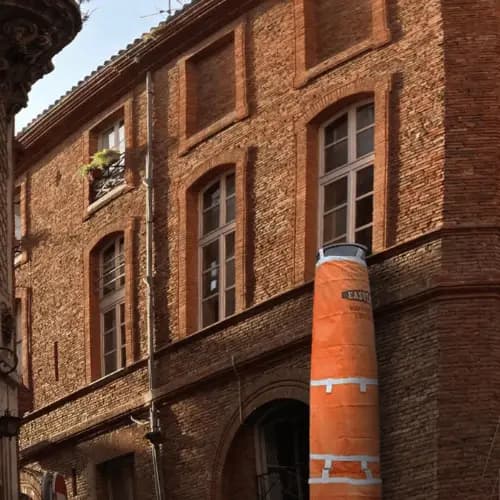
- Project scope and site address
- Chute specifications (height, material, section count)
- Building owner authorization letter
- Contractor license number and proof of insurance
- Site safety plan with debris-flow management procedures
Stamford projects in the Central Business District face additional signage and street-access restrictions. If your chute extends over a public sidewalk or road, you’ll need a separate obstruction permit from the city. Expect an additional 3–5 days for review.
Residential projects (single-family or multi-family) in Stamford typically fall under a simpler permitting track. Check with your local building inspector before ordering materials — some neighborhoods have height or aesthetic guidelines that affect chute placement.
Understanding Debris Chute Costs in Stamford
Debris chute rental and purchase costs in Stamford vary by project height, duration, and material. A typical 2026 breakdown:
- Rental (per day): $65–$125 per day for a standard 25–50-foot chute system
- Setup/delivery: $300–$600 one-time fee
- Removal/pickup: $300–$600 one-time fee
- Purchase (new modular system): $2,800–$5,500 for a complete 50-foot kit
- Used/refurbished systems: $1,200–$3,000 depending on condition
For smaller projects (5–7 days), rental is typically more cost-effective. For ongoing operations or multi-month renovations, purchasing can pay for itself within 6–8 weeks of rental savings. Learn more about hidden costs in modular trash chute kits that contractors often overlook.
Stamford contractors in high-density urban zones may also face surcharges for weekend/evening setup or restricted-hour access (e.g., 10 AM–4 PM only in certain neighborhoods).
Site Assessment & Pre-Setup Planning
Before placing your order, walk the site and document the following:
- Building height: Measure from roof or upper-floor discharge point to ground level. Record exact footage.
- Attachment points: Identify secure anchor points on the building facade — typically at floor levels every 25 feet. Check structural integrity and load-bearing capacity.
- Obstructions: Note windows, utility lines, awnings, or neighboring property that the chute might interfere with during installation or debris discharge.
- Ground-level dumpster placement: Ensure adequate space for a dumpster directly below the chute discharge point, with at least 2 feet clearance on all sides.
- Weather exposure: Stamford’s coastal proximity means wind and moisture can affect chute stability and material integrity; verify your chute design for local wind-load requirements.
- Access for installation: Confirm your crew can safely reach roof or upper-floor anchor points using scaffolding, ladder, or lift equipment.
Document site conditions with photos and measurements. Share these with your supplier to confirm chute configuration and material recommendations.
Step-by-Step Setup Workflow
Follow this proven setup sequence to minimize downtime and safety risk:
- Obtain permits. Confirm the city has approved your debris chute plan before ordering materials or scheduling crew.
- Assemble equipment at ground level. Unpack chute sections, bolts, straps, and hardware. Inspect each section for damage or wear. Lay out sections in order from bottom to top.
- Position dumpster and protective barriers. Place the dumpster directly below the discharge point. Install traffic cones or barriers to keep pedestrians and vehicles clear of the drop zone.
- Install anchor point brackets. Climb to the highest attachment point and secure the first (top) anchor bracket using bolts rated for your total chute weight (typically 150–250 lbs per section).
- Connect the topmost section. Hoist or manually guide the top chute section into place. Align bolt holes and tighten hardware securely.
- Add sections from top to bottom. Connect each section below, ensuring proper overlap and bolt tension at every joint.
- Secure lateral bracing. Attach straps or braces every 25 feet to stabilize the chute against wind and side loads.
- Test the system. Feed a small amount of lightweight debris (dry drywall scraps, cardboard) through the chute to confirm smooth flow and proper discharge alignment.
- Brief crew on safety and maintenance. Review daily inspection points, load limits, and proper debris-feeding techniques with your team.
See our full step-by-step setup workflow for detailed photos and timing estimates.
Safety Protocols & OSHA Compliance
Stamford debris chute operations must meet OSHA Construction Industry safety standards. Key requirements:
- Hard hats and safety vests required for all crew members working near or feeding the chute.
- Barricade the discharge zone. Keep pedestrians and non-essential personnel at least 10 feet away from the dumpster and debris-flow area.
- Never overload sections. Respect the rated capacity (typically 150–200 lbs per section per minute). Overloading causes jamming and equipment failure.
- Regular inspections. Daily walk-around to check bolts, straps, and section alignment. Tighten any loose hardware immediately.
- Safe lifting practices. Train crew on OSHA ergonomics guidelines for safe material handling to prevent strain injuries when loading debris.
- Weather monitoring. High winds (>25 mph) can destabilize the chute. Secure loose sections and reduce flow rate during gusts.
If children are on-site during renovation, implement safety protocols when children are present — restrict access to the chute area with locked gates or temporary fencing.
Material Selection: Canvas vs. Polyethylene
Polyethylene (modern standard for Stamford):
- Bright orange color and high visibility
- Weather-resistant; suitable for Stamford’s damp coastal climate
- Lightweight, reducing anchor-point stress
- Cost: $75–$150 per section (50-foot lengths)
- Lifespan: 5–7 years with proper maintenance
Canvas (traditional, less common now):
- Lower initial cost ($40–$80 per section)
- Heavy; requires robust anchor points
- Absorbs moisture in humid conditions; more prone to mildew and tear
- Shorter lifespan (2–4 years) in coastal environments like Stamford
For most Stamford contractors, polyethylene is the practical choice. The upfront cost difference is offset by durability and reduced maintenance. Learn more in our modular vs. traditional chute comparison.
Common Mistakes Stamford Contractors Make
Avoid these pitfalls to keep your project on schedule and safe:
- Underestimating permit timelines. Many Stamford contractors assume 1–2 days; the actual window is 5–7 business days. Order your permit early and plan material delivery accordingly.
- Weak anchor points. Stamford’s older buildings may have crumbling masonry or steel that doesn’t safely support chute loads. Have a structural engineer inspect anchor points before installation.
- Ignoring wind exposure. Stamford’s proximity to the coast creates sustained wind loads. Undersized lateral bracing leads to sway and creaking — install full bracing every 25 feet, not every 50.
- Overloading the discharge point. Feeding debris faster than the dumpster empties causes backups and jamming. Coordinate dumpster pickups so the bin is never more than 75% full.
- Skipping daily inspections. Loose bolts and frayed straps are invisible until they fail. Spend 10 minutes daily checking every joint.
- Not protecting pedestrians. Stamford’s dense urban streets mean passersby are close. Use high-visibility barriers and signage, and never discharge during peak foot-traffic hours without spotters.
Review common setup mistakes and how to avoid them for region-specific context and corrective action plans.
Debris Chute Rental vs. Purchase in Stamford
Rental: Best for one-off or short-term projects (under 6 weeks)
- Zero upfront capital
- Supplier handles delivery, setup, and removal
- Maintenance is included
- Cost: $300–$600 setup + $65–$125/day
- 12-week project example: ~$1,500 setup + ~$9,000 rental = $10,500 total
Purchase: Better for ongoing operations or multiple projects per year
- One-time cost: $2,800–$5,500
- You control delivery timing and storage
- Maintenance is your responsibility
- Breakeven point: roughly 8–10 weeks of avoided rental fees
- Usable for 5–7 years; excellent ROI for active contractors
Use this benchmark: if you forecast 3+ debris chute projects in 12 months, purchase. If it’s a one-off job, rent.
Maintenance & Inspections During Project
Daily inspection checklist:
- Walk the length of the chute; look for bulging, cracks, or sagging sections.
- Check all visible bolts and straps. Tighten any that have loosened.
- Inspect the discharge point for jams or blockages; remove debris carefully.
- Look for water pooling in section joints (indicates trapped moisture).
- Verify dumpster is not overflowing; schedule a pickup if bin is >75% full.
Weekly deep inspection:
- Climb (safely) to inspect anchor points for rust, corrosion, or structural cracks in the building facade.
- Check lateral braces for bending or looseness.
- Wipe debris and moisture from high-wear areas (section joints, discharge chute).
- Test chute alignment by running a test load of lightweight debris.
If you find rust on hardware, replace bolts immediately. If you see cracks in the chute material, patch small tears with epoxy tape; replace the section if cracks exceed 12 inches.
Environmental Regulations & Debris Disposal
Connecticut’s waste regulations require proper sorting and disposal of construction debris. EPA construction and demolition debris facts show that 600+ million tons of C&D material are generated annually in the US, with 75% potentially recyclable.
Stamford contractors should:
- Separate recyclables: Wood, metal, drywall, and cardboard should be diverted to recycling vendors, not landfills. Stamford waste haulers can provide recycling drop-off locations.
- Hazardous materials: Asbestos, lead paint, and mercury must be handled by certified crews. Do not mix with general debris.
- Verify vendor compliance: Confirm your dumpster rental company has contracts with Connecticut landfills and recyclers. Request proof of proper disposal upon project end.
- Documentation: Keep receipts from dumpster pickups and disposal facilities. You may need these for tax deductions or environmental audit trails.
Budget Planning & Cost Estimation
Use this framework for Stamford projects:
| Cost Category | Typical Range |
| Permit & inspection fees | $150–$350 |
| Chute rental (8 weeks) | $6,500–$9,000 |
| Delivery & setup labor | $500–$1,200 |
| Dumpster rental (8 weeks, 2 pickups) | $2,000–$3,500 |
| Daily crew safety briefings & oversight | $1,000–$2,000 (labor, internal cost) |
| Total for typical 8-week Stamford project | $10,150–$16,050 |
See our cost estimate checklist for line-item breakdown and contractor-specific deduction opportunities.
Frequently Asked Questions
What permits do I need to set up a debris chute in Stamford?
You need a City of Stamford Department of Operations debris chute permit, which requires project documentation, building owner consent, and proof of insurance. If your chute extends over public sidewalk or road, add an obstruction permit. Total review time is typically 5–7 business days. Residential projects may qualify for expedited review; ask your local building inspector.
How much does a debris chute cost per day in Stamford?
Standard rental rates are $65–$125 per day, plus a one-time delivery ($300–$600) and removal fee ($300–$600). Setup and removal typically take 1–2 hours each. For short projects under 2 weeks, you might negotiate a flat weekly rate; for longer projects (8+ weeks), request a volume discount.
Can I use a polyethylene chute year-round in Stamford?
Yes. Polyethylene is weather-resistant and suitable for Stamford’s coastal climate. However, winter moisture and freeze-thaw cycles can stress bolts and straps, so increase inspection frequency in cold months. Store spare hardware on-site and be prepared for faster hardware replacement in winter.
What is the maximum weight a debris chute can handle per load?
Standard modular sections are rated for 150–200 lbs per minute (or per section, depending on design). Overloading causes jams and equipment failure. Train crew to feed debris steadily and evenly, not in dumps. Never lean on the chute or use it to transport heavy tools or equipment — it’s for loose debris only.
How do I know if my building’s anchor points are strong enough?
Have a structural engineer inspect anchor points before installation. Stamford’s older masonry buildings sometimes have weak or deteriorating facade. A full debris chute can weigh 500–2,000 lbs depending on height and material; structural capacity matters. Expect a structural inspection to cost $500–$1,500 but save you from costly anchor failure.
What’s the difference between renting and purchasing a debris chute?
Rental is ideal for one-off projects (zero upfront capital, included maintenance). Purchase is better for contractors with 3+ projects per year; breakeven is roughly 8–10 weeks. Lifespan is 5–7 years for polyethylene systems. If you forecast sustained renovation work, purchase ROI is excellent.
How often should I inspect the chute during a project?
Perform a daily walk-around (5–10 minutes) to check for loose bolts, cracks, and blockages. Do a deeper inspection weekly, including anchor points and lateral braces. After high winds or heavy debris loads, do a spot check the same day.
Local Resources for Stamford Contractors
Key local agencies and resources:
- City of Stamford, Department of Operations: Phone (203) 977-4500. Submit debris chute permit applications online or in person at the Stamford Government Center (888 Washington Boulevard). Typical processing time: 5–7 business days.
- Connecticut Department of Energy and Environmental Protection (DEEP): DEEP hazardous waste & disposal guidance. Required for asbestos, lead, and mercury disposal.
- Stamford Building Inspector’s Office: Verify structural requirements and anchor-point specifications before ordering chute hardware.
- Local waste haulers: Request recommendations from your building owner or property manager for dumpster and recycling service providers in Stamford.
Ready to Set Up Your Debris Chute?
You now have the roadmap for a safe, compliant, and cost-effective debris chute setup in Stamford. Here’s your action plan:
- Gather site documentation: Measure building height, identify anchor points, and photograph site conditions.
- Contact City of Stamford: Request the debris chute permit application. Allow 5–7 business days for approval.
- Get a structural inspection: Have an engineer verify anchor-point capacity ($500–$1,500 investment, well worth it).
- Decide: rent or buy. Use the breakeven analysis above. If unsure, start with a rental for this project; you’ll gain hands-on experience.
- Order your chute: Once the permit is approved, order materials with at least 2 weeks lead time for delivery coordination.
- Brief your crew: Conduct a pre-project safety meeting. Review the daily inspection checklist and load limits.
- Set daily inspections: Assign one crew member to walk the chute every morning. Document findings in a simple log.
For more Stamford-area guidance, see our setup guides for debris chute setup in Meriden, CT and Avon, CT setup guidelines. Both are adjacent markets with similar permitting and cost patterns. If you have questions specific to your property, contact Stamford’s Department of Operations or reach out to us for a custom consultation.