

Table of Contents
- Understanding the 25ft vs. 50ft Trash Chute Decision
- Base Equipment Cost: 25ft vs. 50ft
- Installation Labor: Time and Complexity
- Total Project Cost Breakdown
- Maintenance and Long-Term Costs
- Job-Site Scenarios: When to Choose Each Size
- Multi-Story and High-Rise Applications
- Safety and Regulatory Considerations
- ROI Timeline for Each Configuration
- Rental vs. Purchase for 50ft and 25ft Systems
- Regional Pricing Variations in New England
- Frequently Asked Questions
- Ready to Choose Your Trash Chute Size?
Understanding the 25ft vs. 50ft Trash Chute Decision
Contractors frequently ask: should I invest in a 50ft trash chute section or stick with the 25ft option? The answer depends on three core factors: project height, job duration, and total cost-of-ownership over your equipment lifecycle. Both sizes are modular, meaning you can stack sections to reach any height, but the economics diverge significantly.
A 25ft section works well for single-story additions, attic renovations, and short-term contracts (2–8 weeks). A 50ft section becomes cost-effective when you’re handling multi-story projects, managing high-volume debris, or operating multiple simultaneous jobs where equipment uptime translates to revenue.
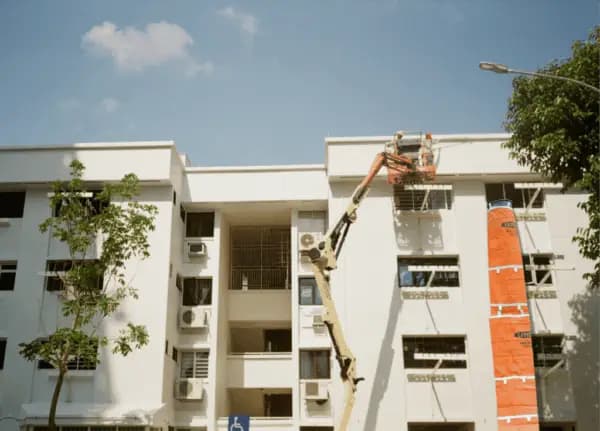
In 2026, material costs and labor rates have stabilized, making it easier to forecast ROI. Let’s break down the numbers.
Base Equipment Cost: 25ft vs. 50ft
The purchase price of the chute system is only the entry point. Here’s what contractors typically invest in 2026:
- 25ft modular chute kit: $1,200–$1,800 per section (orange polyethylene, safety-rated, discharge collar included)
- 50ft modular chute kit: $2,400–$3,200 per section (double the length, reinforced connectors, heavier-duty collars for sustained high-volume discharge)
- Dumpster interface collar/adapter: $150–$300 (required for both, ensures safe transfer to waste bin)
- Safety straps and securing hardware: $200–$400 (scaffolding anchors, carabiners, inspection cables)
A single 50ft section costs roughly 2× a 25ft section, but you avoid buying two 25ft units to span the same vertical distance. If your job is 50 feet tall, you face two options: buy one 50ft section or two 25ft sections. The 50ft option saves $600–$1,200 in material and reduces connection points (fewer leak risks, simpler setup).
For a fuller understanding of hidden costs beyond the initial purchase price, review contractor-specific budgeting guides that account for permits, insurance, and site-specific modifications.
Installation Labor: Time and Complexity
Installation labor is where the two configurations diverge most dramatically. A typical crew of two workers can erect a 25ft section in 1.5–2 hours (including rigging, anchoring, and safety certification). A 50ft section takes 3–4 hours for the same crew, due to:
- Height risk management: Taller sections require additional anchor points and certified fall-protection protocols
- Weight handling: 50ft sections weigh 180–220 lbs; 25ft sections weigh 90–110 lbs. Each additional foot adds complexity to rigging from scaffolds or aerial lifts
- Connection verification: Longer sections have more joint points to torque and inspect
- Sway and vibration control: Taller chutes need intermediate bracing to prevent sway under load
If your hourly crew rate is $65–$95/hour, a 25ft install costs $195–$380 in labor, while a 50ft install costs $390–$760. Over a multi-week project, however, a single 50ft unit eliminates the need to rent a second set of equipment or stagger jobs—often saving days of setup time across the calendar.
Total Project Cost Breakdown
Let’s model two typical 2026 scenarios: a 50-foot residential renovation and a 100-foot commercial demolition.
Scenario 1: 50-Foot Residential Gut Renovation (6-week project)
- Option A (two 25ft sections):
- Equipment: $2,400–$3,600
- Hardware & collar: $350–$700
- Installation labor (two setups): $390–$760
- Weekly maintenance/inspection: $100/week × 6 = $600
- Total: $3,740–$5,660
- Option B (one 50ft section):
- Equipment: $2,400–$3,200
- Hardware & collar: $350–$400
- Installation labor (one setup): $390–$760
- Weekly maintenance/inspection: $100/week × 6 = $600
- Total: $3,740–$4,960
In this scenario, the 50ft single-section option is net-neutral to $700 cheaper, plus it avoids the hassle of two separate rigging events and reduces connection-point failure risk. For a contractor running 12 projects per year, this savings compounds quickly.
Scenario 2: 100-Foot Commercial Multi-Story Demolition (12-week project)
- Option A (four 25ft sections, sequential rigging):
- Equipment (4 × 25ft): $4,800–$7,200
- Hardware & collars (4 sets): $600–$1,200
- Installation labor (4 rigging events): $1,560–$3,040
- Weekly maintenance: $150/week × 12 = $1,800
- Crane/lift rental (4 events): $800–$2,000
- Total: $9,560–$15,240
- Option B (two 50ft sections, stacked):
- Equipment (2 × 50ft): $4,800–$6,400
- Hardware & collars (2 sets): $500–$700
- Installation labor (2 rigging events): $780–$1,520
- Weekly maintenance: $150/week × 12 = $1,800
- Crane/lift rental (2 events): $400–$1,000
- Total: $8,280–$11,420
Here, the two 50ft sections save $1,280–$3,820 in direct costs, plus reduce on-site coordination complexity by 50%. For commercial contracts where time-to-completion drives profitability, this is significant.
Maintenance and Long-Term Costs
Both 25ft and 50ft sections require weekly or bi-weekly inspection during use. Check for:
- Debris buildup inside the tube (can jam discharge)
- Anchor-point security and hardware corrosion
- Seam integrity (orange polyethylene can develop micro-tears under UV and mechanical stress)
- Connection collar tightness
A 25ft section costs $50–$100 per inspection; a 50ft section costs $75–$150 per inspection (longer to traverse, more anchor points to verify). Over a 12-week job, you’re budgeting $600–$1,800 in maintenance labor for either configuration.
If you own the equipment rather than rent, depreciation is another factor. Modular chutes typically have a 5–7 year service life before sections need replacement. A 50ft section that costs $3,000 initially depreciates ~$430–$600/year; a 25ft section depreciates ~$215–$300/year. Contractors who operate 10+ projects annually spread ownership costs thin enough to justify the investment.
For details on modular vs. traditional chute comparison, see how modern segmented systems reduce long-term wear versus rigid, fixed alternatives.
Job-Site Scenarios: When to Choose Each Size
Choose 25ft When:
- Projects are ≤30 feet tall (single residential story + attic)
- Job duration is <4 weeks (crew moves frequently, minimizes equipment holding costs)
- Budget is tight and profit margins are thin (residential renovation vs. commercial demolition)
- You’re new to debris chute operations (lower capital risk, easier learning curve)
- Site access is constrained (smaller footprint, easier to maneuver on tight urban lots)
- Discharge point is easily accessible from ground (25ft is manageable solo with proper rigging)
Choose 50ft When:
- Projects are 40–60+ feet tall (multi-story residential, commercial, or mixed-use)
- Job duration is 8+ weeks (equipment stays on-site, repeated setup events cost more)
- High debris volume (50ft can handle sustained 3–4 ton/day throughput vs. 25ft’s 1–2 ton/day average)
- You operate 8+ projects annually (ownership depreciation spreads across income)
- You manage multiple simultaneous sites (one 50ft per job beats time-sharing two 25ft units)
- Crane access is already budgeted (rigging one tall section costs same as rigging two shorter ones)
- Workforce includes experienced rigging personnel (safer, faster setup on complex projects)
Multi-Story and High-Rise Applications
For buildings taller than 60 feet, the economics shift decisively in favor of longer sections. A 120-foot commercial renovation cannot be efficiently handled with six stacked 25ft sections; the structural complexity, anchor-point density, and setup time become prohibitive.
Instead, contractors typically deploy a 50ft-base system with 40–60ft of working height, then stage debris at intermediate floors (every 30–40 feet) using smaller secondary chutes or temporary storage platforms. This “cascade” approach is standard in high-rise demolition and reduces peak load on any single chute, improving safety and discharge reliability.
According to OSHA Construction Industry safety standards, debris chutes on high-rise projects must be inspected every 4 hours during use and meet load-rated performance specs. A 50ft section, being a single rigid span, is easier to certify and maintain compliance versus multiple connection points.
Safety and Regulatory Considerations
Both 25ft and 50ft sections are designed to meet OSHA ergonomics guidelines and state-level debris-chute safety codes. However, height introduces additional requirements:
- Fall protection: Workers rigging chutes above 6 feet must wear harnesses and lanyards. 50ft installations require aerial lift certification.
- Load rating: Modular sections are rated for 50–100 lbs/min debris throughput. Exceeding this causes backup, overflow, and safety risks. A 50ft section can sustain higher throughput due to lower back-pressure at discharge.
- Anchor point spacing: OSHA requires intermediate anchors every 30 feet of vertical height. A 50ft chute might need 2–3 anchor points; a 25ft chute might only need 1–2. The extra anchoring hardware for a 50ft system is typically $300–$500.
- Discharge zone control: Building codes mandate clear zones at the bottom of debris chutes. A 50ft chute with higher discharge velocity requires wider perimeter fencing.
For common debris chute setup mistakes and how to avoid them, reference local contractor guides specific to your state’s regulatory environment.
ROI Timeline for Each Configuration
If you’re deciding between ownership and rental, the break-even point varies by project volume. Assume:
- Ownership cost (50ft): $3,200 equipment + $500 hardware + $300 annual maintenance = $4,000 year 1
- Rental cost (50ft): $400–$600/week depending on region and demand
If you rent a 50ft chute for 8 weeks/year, you pay $3,200–$4,800 annually. Ownership pays off in year 2 if you use the chute 10+ weeks/year. For contractors running residential renovation crews year-round, ownership almost always wins financially by year 3.
A 25ft section has a lower entry cost ($1,500 equipment), making rental more cost-competitive for occasional use. If you use a 25ft chute only 4–6 weeks per year, renting at $200–$300/week ($800–$1,800/season) is cheaper than owning.
Check our rental vs. purchase ROI calculator to model your specific scenario with your regional labor rates and project frequency.
Rental vs. Purchase for 50ft and 25ft Systems
Renting offers advantages for new contractors and seasonal operations:
- Flexibility: Start with a 25ft rental to test the market. Upgrade to 50ft on larger contracts without capital risk.
- Maintenance outsourcing: Rental companies handle inspection, repair, and replacement of damaged sections.
- Equipment updates: Rental fleets rotate newer, safer designs; owned equipment ages and may fall behind code.
- Tax simplicity: Rental is an operational expense; ownership requires depreciation schedules and asset tracking.
Purchasing suits established firms with consistent 15+ weeks/year of chute deployment:
- Availability: No waiting for inventory; equipment is on-site when you need it.
- Customization: Own sections with branding, specialized discharge collars, or weight-optimized designs.
- Long-term cost: By year 3–4, ownership is 40–60% cheaper than renting equivalent hours.
- Resale value: Used modular chutes retain 30–50% of purchase value, offering exit ramps if you shift business focus.
For debris chute rental pricing in your region, check your state-specific guides to compare weekly and monthly rates.
Regional Pricing Variations in New England
Equipment costs and labor rates vary across New England due to building codes, wage floors, and market density:
- Massachusetts/Connecticut (urban markets): 50ft sections $3,000–$3,400; labor $80–$100/hr. Higher demand pushes both equipment rental and purchase pricing upward.
- New Hampshire/Vermont (rural/semi-rural): 50ft sections $2,500–$2,900; labor $60–$75/hr. Lower population density reduces competition but also reduces rental supply, forcing longer lead times.
- Rhode Island: Pricing midway between urban MA and rural VT; dense population but smaller market share means fewer competing rental companies, potentially higher rates.
For state-specific setup costs and labor considerations, consult local contractor associations and permitting offices. They often publish average cost data for debris-removal systems.
A single job in Boston (MA) may cost 20–30% more than the same scope in Montpelier (VT). Plan your budget accordingly and evaluate whether purchasing equipment to deploy across multiple states makes financial sense.
Frequently Asked Questions
Is a 50ft trash chute worth the extra upfront cost compared to buying two 25ft sections?
Yes, for most contractors running projects 40+ feet tall and 8+ weeks long. A single 50ft section saves $600–$1,200 in material, reduces installation labor by 50%, and eliminates the risk of connection-point failures that arise when stacking multiple shorter sections. The only scenario where two 25ft sections win is if you need flexibility to run two simultaneous jobs and want to keep equipment cost per job minimal—but then you’re really buying two systems, which negates the savings.
How much does installation labor cost for a 50ft section, and can I do it myself?
Professional installation typically costs $390–$760 in labor (3–4 hours for a two-person crew at $65–$95/hr). Self-installation is risky: you need fall-protection certification, proper rigging gear, and a second trained person for safety spotting. OSHA mandates certified rigging personnel on commercial sites. DIY install may save labor cost but invalidates your insurance and exposes you to liability. Hire licensed riggers.
What’s the typical lifespan of a 50ft modular section before I need to replace it?
Modular orange polyethylene chute sections last 5–7 years with proper maintenance (weekly inspection, UV-protective storage, cleaning after each job). Replacement cost for a 50ft section in 2026 is $2,400–$3,200. If you depreciate ownership cost over 7 years, that’s $340–$460/year per section. Rental avoids this long-term capital sink but costs $400–$600/week when in use.
Do 50ft sections have different safety certifications than 25ft sections?
Both are manufactured to the same ANSI safety standards and load-rating specs. However, taller installations (50ft+) trigger additional OSHA requirements: intermediate anchors every 30 feet, fall-protection protocols, and weekly inspections during use versus monthly for shorter systems. The section itself is equally safe; the height adds regulatory overhead. Budget $200–$400 extra for anchor hardware and certification paperwork on 50ft projects.
If I rent, can I rent a 50ft section and a 25ft section together for the same job?
Yes, and it’s common on jobs where the building is 60–75 feet tall but debris volume is uneven by floor. You might stage a 50ft primary chute for the first 50 feet, then a 25ft secondary chute for upper floors with lighter debris (drywall, insulation) that flows slower. Rental pricing for mixed configurations is typically additive—so 1.5× the weekly rate of a single system. Total cost is usually cheaper than owning two separate systems if you only deploy this setup 1–2 times per year.
What’s the break-even point between owning versus renting a 50ft section annually?
If you use a 50ft chute for 10+ weeks per year, ownership pays off by year 2. At 8 weeks/year, break-even is year 3. At 4 weeks/year, renting indefinitely is cheaper. A $3,200 purchase depreciates ~$450/year; weekly rental at $500/week costs $2,000–$2,600/season (4–6 weeks). By year 3, ownership saves ~$3,000–$5,000 cumulative if you hit 10+ weeks/year of usage.
Are there regional code differences for 50ft versus 25ft chutes in New England?
Building codes are fairly uniform across New England (all adopt ANSI standards and OSHA guidelines), but local amendments vary. Massachusetts and Connecticut may require additional fall-protection training documentation; Vermont and New Hampshire may have less stringent signage requirements. Connecticut has stricter noise ordinances, which can affect chute operation timing near residential areas. Always check your local permitting office and building department before purchasing or renting. Our installation guide for Rhode Island and similar state-specific resources provide up-to-date regulatory details.
Ready to Choose Your Trash Chute Size?
Whether you select a 50ft section or pair of 25ft sections depends on your project scope, budget, and equipment deployment strategy. Use this framework to decide:
- Project height: Under 40 ft? → Two 25ft sections or rent. Over 50 ft? → One 50ft section or two 50ft sections for 100+ ft builds.
- Job duration: Under 4 weeks? → Rent. 8+ weeks? → Consider ownership if you run 3+ jobs per year.
- Annual volume: Less than 5 projects/year? → Rent. More than 10 projects/year? → Ownership ROI justifies capital outlay.
- Crew experience: New to debris chutes? → Start with 25ft rental to gain experience. Experienced crew with rigging certification? → 50ft ownership or long-term rental on major projects.
For a complete trash chute cost breakdown by section size, review our comprehensive pricing guide that accounts for your specific region and equipment configuration.
Contractors in Massachusetts, Connecticut, Rhode Island, New Hampshire, Vermont, and Maine can also consult our location-specific resources for seasonal workflow optimization and winter maintenance best practices to protect your investment year-round.
Ready to move forward? Contact our team at +1 855-902-8883 or visit EasyChute.com to explore rental or purchase options that fit your 2026 project pipeline. We’ll help you model the cost-benefit analysis specific to your build volume and budget.