

Table of Contents
- Daily, Weekly & Monthly Rental Rates in Rhode Island
- What Drives Debris Chute Rental Costs?
- Chute Size & Section Count Impact on Price
- Permit, Delivery & Setup Fees
- Seasonal Pricing Variations (2026)
- Common Hidden Costs Contractors Miss
- Real-World Pricing Scenarios by Job Type
- Rental vs. Purchase: Break-Even Analysis
- Rhode Island-Specific Regulatory Costs
- Cost Reduction Strategies for Contractors
- Frequently Asked Questions
- Ready to Budget Your Next Job?
Daily, Weekly & Monthly Rental Rates in Rhode Island
In 2026, debris chute rental costs in Rhode Island for contractors typically fall into predictable tiers based on rental duration. Understanding the baseline rates helps you quote accurately to your clients and budget equipment costs into job estimates.
Typical Rhode Island rental rates (2026):
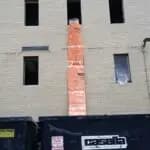
- Daily rental: $45–$75 per day (single 35-ft chute, standard setup)
- Weekly rental: $180–$280 per week (5–7 consecutive days)
- Monthly rental: $500–$900 per month (30 consecutive days)
- Emergency/rush delivery: +$50–$150 additional fee (same-day or next-day placement)
These rates assume a basic single-chute configuration on a residential or light commercial renovation. Larger multi-story projects and modular stacking increase the base fee. Most Rhode Island contractors find that weekly or monthly rates provide better value per day once rentals exceed 5 days; the daily rate becomes inefficient beyond that threshold.
For Providence-specific pricing, expect rates at the upper end of the statewide range due to urban density and higher logistics costs. Suburban areas (Warwick, Cranston) typically track 10–15% lower.
What Drives Debris Chute Rental Costs?
Several factors influence the final bill beyond the base daily rate. Contractors who understand these drivers can negotiate better terms and avoid surprise charges.
Primary cost factors:
- Chute length & height: A 35-foot chute costs less than a 60-foot or 90-foot system; taller buildings demand longer chutes and more sections.
- Number of sections: Each additional modular section adds $15–$40 to the daily rental depending on supplier.
- Debris type: Drywall, concrete, and heavy demolition waste incur higher fees ($10–$25 daily surcharge) compared to light renovation debris.
- Access difficulty: Tight alleyways, narrow driveways, or multi-unit residential complexes increase delivery and placement labor, adding $50–$150 to the setup fee.
- Ground-level dumpster availability: If you must rent a separate dumpster for chute discharge, that cost stacks on top of the chute rental.
- Weather & season: Fall and spring peak seasons see 10–20% rate premiums compared to winter and summer.
Location within Rhode Island also matters. Rental vendors based in Providence or Warwick charge lower per-mile delivery fees to jobs within those cities; jobs in rural or coastal areas (Newport, Block Island) incur 30–50% delivery surcharges due to travel distance.
Chute Size & Section Count Impact on Price
The modular design of modern debris chutes means contractors can customize length by adding or removing sections. This flexibility changes cost dramatically.
Typical section-based pricing (Rhode Island, 2026):
- Single 35-foot chute (5 sections): $45–$65/day
- 60-foot chute (8–9 sections): $65–$90/day
- 90-foot chute (12–14 sections): $90–$140/day
- Multi-chute setup (2+ chutes deployed simultaneously): 35–50% discount per chute after the first
If you’re working on a 5-story mixed-use building, a 60-foot system allows debris discharge from upper floors directly into a ground-level dumpster. A shorter 35-foot chute would require intermediate catch containers or manual transfer—adding labor cost and timeline risk. Many contractors find that renting the right length upfront saves money and schedule delays.
For cost comparison by section size, reference detailed pricing tables that show per-section incremental costs and when economies of scale shift the calculus in favor of a longer system.
Permit, Delivery & Setup Fees
Base rental rates do not always include all operational costs. Rhode Island contractors must budget separately for permitting, delivery labor, and installation.
Typical ancillary fees (2026):
- Permit processing fee: $25–$75 (handled by rental company or you; verify who bears cost upfront)
- Delivery charge: $75–$200 depending on distance from depot and site access
- Setup & installation labor: $150–$400 (professional installation ensures safety and compliance)
- Dumpster rental (separate): $300–$600 per month (often required at ground level for chute discharge)
- Insurance compliance fee: $0–$50 (some vendors bundle; others charge separately for Certificate of Insurance processing)
- Pickup & removal: $100–$250 when job is complete
A typical 2-week rental that appears to cost $300 (14 days × $21–$25/day rate) can balloon to $700–$900 once delivery, setup, dumpster, and removal are factored in. Always request a full itemized quote upfront rather than negotiating based on daily rate alone.
Seasonal Pricing Variations (2026)
Rhode Island contractor demand peaks in spring (April–June) and fall (September–October). Rental vendors adjust pricing to match demand elasticity.
2026 seasonal rate adjustments:
- Spring (April–June): +15–20% premium; peak renovation season, limited chute inventory
- Summer (July–August): Rates stable; mid-range availability; some contractors defer jobs to fall
- Fall (September–October): +10–18% premium; second peak as contractors rush before winter weather
- Winter (November–March): –5–15% discount; fewer active job sites; vendors willing to negotiate longer-term contracts
Contractors planning projects 3–4 months ahead often lock in winter rates, then execute during shoulder seasons to capture cost savings. Conversely, emergency jobs booked mid-spring face maximum scarcity premiums.
One strategy: schedule non-urgent debris chute needs (interior renovations, non-weather-dependent demo) during January–March to capture winter discounts. Reserve premium-season chute access for critical path jobs where timeline trumps cost.
Common Hidden Costs Contractors Miss
Many Rhode Island contractors are blindsided by fees not obvious in initial quotes. Understanding these pitfalls prevents budget overruns.
Frequently overlooked charges:
- Overtime delivery/pickup fees: If you need the chute installed before 7 AM or picked up after 5 PM, expect +$50–$100 per occurrence.
- Extended rental beyond quoted end date: Keeping a chute an extra 2–3 days can trigger “re-booking” fees ($50–$150) if the vendor has another rental queued behind yours.
- Debris overage charges: Exceeding the dumpster-fill limit or chute weight limits (typically 5–8 tons/day) incurs surcharges ($100–$300 per incident).
- Cleaning & damage deposit holds: Initial deposits ($200–$500) sometimes take 3–4 weeks to refund if the chute shows any wear or dirt residue.
- Traffic control & signage: Some Rhode Island towns (especially Providence, Warwick, Cranston) require paid traffic-control personnel if the chute occupies a sidewalk or street. This can add $150–$400/day.
- Environmental disposal fees: Certain debris types (asbestos, lead paint, hazardous materials) require certified disposal; expect $500–$2000+ handling surcharge.
Refer to the hidden costs guide for a deep dive on vendor-specific surcharges and how to negotiate them down before signing a rental agreement.
Real-World Pricing Scenarios by Job Type
To ground this in contractor reality, here are three common Rhode Island job profiles with realistic cost estimates for 2026.
Scenario 1: Residential Kitchen Renovation (Cranston)
- Job duration: 10 days
- Debris volume: Mixed (drywall, flooring, cabinetry); moderate weight
- Chute spec: Single 35-foot system
- Base rental (10 days @ $50/day): $500
- Delivery & setup: $200
- Dumpster rental (separate, 10 days): $350
- Pickup & removal: $125
- Total estimated cost: $1,175
- Cost per day: $117.50
For this job, the contractor might negotiate a weekly rate ($230 for 7 days + 3 extra days @ $35/day = $335) to reduce total to approximately $1,010, saving ~$165.
Scenario 2: Multi-Unit Residential Facade Renovation (Providence downtown)
- Job duration: 28 days
- Debris volume: Brick, mortar, heavy demolition; high volume
- Chute spec: Double 60-foot system (two parallel chutes)
- Base monthly rental (28 days, two chutes w/ volume discount): $1,200
- Delivery & setup (two chutes, complex rigging): $400
- Two dumpsters (28-day rental): $1,400
- Permit processing (RI municipal requirement): $60
- Traffic control (Providence mandate): $1,680 (28 days × $60/day minimum)
- Pickup & removal: $250
- Total estimated cost: $4,990
- Cost per day: $178.20
This scenario illustrates how urban permitting, traffic control, and double-chute logistics push per-day costs higher. However, the dual-chute setup reduces manual debris handling and accelerates the demolition phase—often justifying the premium when factored against labor savings.
Scenario 3: Light Commercial Tenant Improvement (Warwick, 5 days)
- Job duration: 5 days
- Debris volume: Carpet, partition drywall, misc. light demo; low weight
- Chute spec: Single 35-foot system
- Daily rate (5 days @ $45/day): $225
- Delivery & setup: $150
- Single dumpster (5-day rental): $200
- Pickup & removal: $100
- Total estimated cost: $675
- Cost per day: $135
For short jobs, the fixed overhead (delivery, setup, pickup) is proportionally higher, driving up per-day cost. This scenario shows why contractors often bundle multiple small jobs into one rental period if possible—pooling fixed costs across longer timelines.
Rental vs. Purchase: Break-Even Analysis
Many established Rhode Island contractors ask: At what point does buying my own chute beat renting? The answer depends on annual usage volume and project mix.
Purchase cost baseline (2026):
- Complete 60-foot modular chute system (new): $4,500–$7,500
- Used/refurbished 60-foot system: $2,500–$4,000
- Annual maintenance, storage, repairs: $400–$800
- Vehicle/trailer storage & transport wear: ~$500/year
Break-even calculation: If you rent a single 60-foot chute ~40 times per year at $75/day average (accounting for seasonal variance), you spend $3,000/year on rental. Adding 28 days annual deployment at $100/day = $2,800 more, totaling ~$5,800/year in rental costs.
A purchased system ($5,000 entry, $1,300 annual overhead) costs $6,300 year one. By year two, annual ownership cost drops to $1,300 against $5,800 in rentals—meaning year two and beyond, ownership wins decisively. Contractors executing 40+ chute-dependent jobs annually typically recover purchase cost within 18–24 months.
Use the rental vs. purchase ROI calculator to model your specific usage patterns and project a breakeven timeline.
Rhode Island–Specific Regulatory Costs
Rhode Island’s Department of Environmental Management (DEM) and municipal building departments impose debris-handling and permitting rules that affect total project cost.
RI regulatory cost drivers:
- Debris chute permit: Most municipalities require a “Construction and Demolition Debris Chute” permit. Fee: $25–$75. Processing time: 3–5 business days. Must renew if job extends beyond original timeline.
- Environmental compliance: RI DEM requires separation of recyclables (wood, metals, drywall) from general demolition waste. Non-compliant disposal incurs fines ($500–$2,500 per violation) and cleanup costs.
- Right-of-way encroachment: If the chute extends over a public sidewalk or street (common in Providence and downtown Warwick), you need a “Street Occupancy Permit” ($50–$150) and often must hire licensed traffic-control personnel (mandatory in some municipalities).
- Asbestos & hazmat protocols: Pre-1980s buildings may contain asbestos in insulation, roofing, or floor tiles. Chute use requires certified abatement ($1,000–$5,000+) and specialized disposal ($30–$60/ton). This is non-negotiable regulatory cost, not vendor discretion.
Contact your municipal building or public works department at the start of project planning, not mid-demo. Permit delays cost far more than advance application fees.
For Rhode Island state-level guidance on construction debris and environmental compliance, reference the RI Department of Environmental Management website (site URL: dem.ri.gov) for current waste-disposal rules and approved disposal facilities.
Cost Reduction Strategies for Contractors
Veteran Rhode Island contractors deploy several tactics to lower debris chute rental spend without compromising safety or compliance.
Proven cost-cutting approaches:
- Schedule off-season: Booking chutes in January–March typically yields 10–15% discounts compared to spring and fall peak rates. If your project can flex, target winter to capture savings.
- Negotiate multi-week contracts: Vendors often provide 15–25% discounts for 4+ consecutive week rentals. If you have multiple jobs lined up, bundle them into one long rental to negotiate a volume rate.
- Use local vendors: Rhode Island-based rental companies (versus national chains) often offer competitive rates and waive delivery fees for jobs near their depot. Compare three quotes minimum.
- Right-size your chute: A 35-foot system costs 30% less than a 60-foot system. If your building is only 3 stories, avoid oversizing just because you’re uncertain—measure and spec appropriately.
- Coordinate dumpster pickup: Some vendors offer package deals bundling chute rental, dumpster, and pickup. This can save $200–$400 versus renting chute and dumpster separately.
- Minimize debris prep labor: Sorting and bagging debris upfront (so only chute-ready material is dropped) reduces volume and weight charges. Contractors who avoid overage surcharges save hundreds per job.
- Optimize timing within billing cycles: If a vendor bills by the week, a 10-day job starting mid-week costs less than a 10-day job crossing a week boundary (which may trigger two full-week charges). Coordinate start dates strategically.
Safety and Compliance Standards
Rhode Island follows OSHA construction safety standards, which mandate proper chute installation, weight limits, and operator training. Non-compliance can result in fines and job shutdowns.
Key compliance points:
- Chute sections must be securely anchored and inspected before use.
- Weight limits (typically 5–8 tons per 24 hours depending on chute diameter) must not be exceeded.
- Workers must use OSHA ergonomics and safe lifting guidelines when loading chutes; no dropping from height above 6 feet without proper barriers.
- The discharge dumpster must be checked regularly to prevent overfill and tip hazards.
- Fall protection is required for workers on platforms feeding the chute if work surfaces are above 6 feet.
Rental vendors typically provide safety documentation, but it’s your responsibility as the contractor to train your crew and enforce protocols. Budget 30 minutes for crew safety briefing on first use, especially for crews unfamiliar with chute systems.
Environmental Responsibility & Disposal Costs
Rhode Island’s commitment to waste diversion means debris chutes must discharge into systems that separate recyclables. This affects end-of-job costs.
According to the EPA construction and demolition debris facts, the construction industry generates over 600 million tons of C&D waste annually, with significant recovery potential for wood, metal, and drywall. Rhode Island contractors who divert waste to certified recycling facilities may qualify for lower tipping fees and, in some cases, tax deductions.
Partner with Rhode Island-approved waste vendors who handle separation and recycling. This often costs the same as general landfill disposal, but positions your business as environmentally responsible—a selling point for environmentally conscious clients.
Insurance and Liability Cost Considerations
Debris chute rental vendors typically require proof of general liability insurance ($1–$2 million minimum) and Certificate of Insurance before delivery. Some vendors hold security deposits ($200–$500) against damage claims.
Contractors without existing coverage face upfront costs ($300–$800/year for a basic commercial liability policy covering equipment rental). This is separate from chute rental but often tied to the rental agreement, so budget accordingly.
For detailed requirements, review the insurance and compliance requirements guide to ensure your policy meets vendor minimums before signing a rental contract.
Frequently Asked Questions
What’s the cheapest debris chute rental option for a 5-day job in Rhode Island?
A single 35-foot chute rented for 5 consecutive days at an off-peak rate (winter/early spring) typically costs $225–$300 in base rental fees. Adding delivery ($150), setup ($150), and dumpster ($200), you’re looking at $725–$800 total. To reduce cost, negotiate a package deal with the vendor or confirm that delivery and dumpster are included in the base quote before agreeing.
Do debris chute vendors in Rhode Island waive delivery fees for local jobs?
Some vendors based in Warwick or Providence waive delivery for jobs within their service area (typically within 10–15 miles of their depot). Call three local vendors and explicitly ask if delivery is included in their quote or waived for jobs in your city. Volume discounts (multiple chutes or long-term rentals) sometimes include free delivery as a sweetener.
Can I return a chute early and get a pro-rated refund?
Most Rhode Island rental vendors charge weekly or monthly rates with no pro-rated refunds for early returns. If you finish a job 2 days early, you still owe the full week’s rent. To avoid this, negotiate a daily rate contract if your timeline is uncertain, or coordinate job completion to align with billing-cycle boundaries.
Are there tax deductions available for debris chute rental expenses?
Yes. Contractors can typically deduct chute rental as a project-specific equipment cost on Schedule C (self-employed) or corporate returns. Consult your accountant, but debris chute rental is generally treated the same as dumpster rental—a deductible business expense. See the tax deductions for contractors guide for detailed examples and documentation best practices.
What happens if I exceed the weight limit on my rented chute?
Exceeding weight limits (typically 5–8 tons per day) can damage the chute or dumpster and creates safety hazards. Most vendors charge overage fees ($100–$300 per incident) and may refuse to service your chute until repairs are made. To avoid this, weigh your demolition debris beforehand or consult your vendor on realistic daily volume for your debris type.
Do I need a separate permit just for the chute, or is it covered under the building permit?
Most Rhode Island municipalities require a separate “Construction Debris Chute Permit” filed with the building or public works department. This is distinct from your main building permit. Fee: $25–$75. Apply early (3–5 business days before chute deployment) to avoid job delays. Some vendors handle permitting for you for an additional $50–$100 fee.
Can I purchase a used debris chute cheaply and avoid renting altogether?
Used chutes are available for $2,500–$4,000, but you assume liability, storage, transport, and maintenance costs. For contractors running fewer than 30 chute-dependent jobs annually, renting is usually more economical. For high-volume operators, purchasing breaks even within 18–24 months. Use the rental vs. purchase ROI calculator to model your specific scenario before deciding.
Ready to Budget Your Next Job?
Debris chute rental costs in Rhode Island for 2026 range from $675 for a quick 5-day residential job to $4,990+ for complex multi-unit commercial work. The key to accurate budgeting is understanding the drivers: chute size, job duration, seasonal demand, and regulatory overhead.
Your next step:
- Measure your job site height and estimate debris volume to spec the right chute size.
- Contact 2–3 local Rhode Island vendors for detailed quotes, including all fees (delivery, setup, dumpster, pickup).
- Check your project timeline against seasonal pricing windows—winter rates can save 10–15%.
- Review the pricing breakdown for new contractors in Rhode Island and run your numbers through the rental vs. purchase ROI calculator if you’re a high-volume operator.
- For first-time chute users, read the debris chute setup for first-time contractors guide to avoid costly mistakes during installation and operation.
- Confirm debris chute setup checklist compliance with your municipal building department before job start.
Accurate cost forecasting protects your margin and builds client trust. Use this 2026 pricing guide as your baseline, request vendor quotes in writing, and account for hidden fees upfront. Happy bidding!