

Table of Contents
- What Is an Investor-Owned Rental Property Renovation?
- Why Debris Chutes Are Essential for Rental Properties
- Connecticut Regulations & Permit Requirements
- Site Assessment & Planning Before Setup
- Selecting the Right Chute System
- Installation Workflow & Timeline
- Cost Breakdown for Connecticut Investor Properties
- Tenant Communication & Property Access
- Safety & Compliance During Operation
- Common Setup Mistakes & How to Avoid Them
- Post-Renovation Chute Removal & Site Restoration
- Frequently Asked Questions
- Connecticut Local Resources
- Ready to Get Started?
What Is an Investor-Owned Rental Property Renovation?
An investor-owned rental property is a residential or multi-unit building acquired and maintained for income generation through tenant occupancy. Unlike owner-occupied homes, these properties operate under business-focused timelines, regulatory frameworks, and cost-recovery models. Renovations are often staged to minimize vacancy loss while maintaining habitability and code compliance.
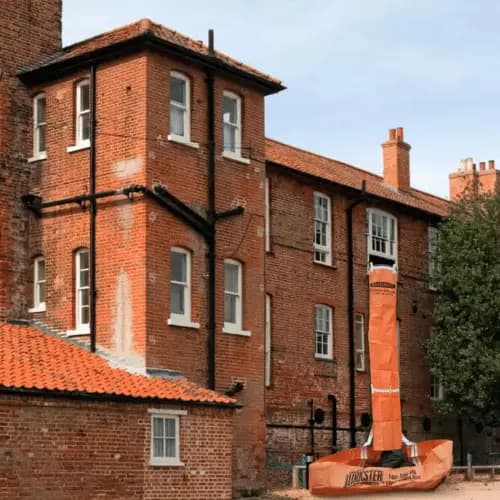
Common renovation scenarios include:
- Interior unit upgrades (kitchens, bathrooms, flooring) during tenant turnover
- Building envelope work (roofing, siding, windows) affecting multiple units
- HVAC and mechanical system replacements across the entire property
- Common area improvements (lobbies, hallways, stairwells)
- Accessibility upgrades mandated by fair housing or local codes
Each scenario generates substantial construction debris—drywall, insulation, old fixtures, concrete, metal—that must be managed quickly and safely. Tenant presence and building occupancy complicate debris removal logistics.
Why Debris Chutes Are Essential for Rental Properties
Debris chutes solve the core operational challenge: rapid, controlled debris removal without disrupting tenant spaces or blocking common areas. For investor properties, this translates directly to cost savings and reduced liability.
Key advantages:
- Speed: Chutes move debris from upper floors to ground level in seconds, accelerating job completion and reducing contractor idle time.
- Safety: Workers are not carrying heavy loads down stairs or elevators; fall risk drops dramatically. OSHA ergonomics standards strongly favor chute-based systems for multi-story work.
- Tenant Relations: Centralized debris collection keeps hallways and common areas clear, reducing tenant frustration during occupancy.
- Operational Continuity: Elevators remain available for tenant use (or for smaller modular chutes, can be positioned to avoid elevator use entirely).
- Liability Protection: Organized debris handling demonstrates professional site management, reducing worker injury claims and property damage disputes.
- Cost Predictability: A chute system with a fixed rental term removes surprise dumpster fees, multiple-trip logistics costs, and overtime labor.
Connecticut’s dense urban and suburban neighborhoods—with tight lot lines, narrow streets, and occupied properties nearby—make chute systems nearly mandatory for efficient renovation work.
Connecticut Regulations & Permit Requirements
Connecticut municipalities require construction permits for any exterior work or debris management affecting residential neighborhoods. Requirements vary by town, but common threads exist across the state.
Typical permit triggers for debris chutes:
- Exterior chute installation or discharge platform on the building face
- Ground-level dumpster placement in parking areas, setbacks, or curb zones
- Noise and dust-suppression measures (water spray systems, tarping)
- Traffic control or street closure if debris truck access requires lane restrictions
- Electrical connections for chute auxiliary systems (if applicable)
Most Connecticut towns (Stamford, Bridgeport, New Haven, Wallingford, Avon, Meriden) process debris-management permits within 5–10 business days if documentation is complete. You’ll typically need:
- Site plan showing chute location, dumpster placement, and access route
- Contractor license and liability insurance (minimum $1M general liability)
- Proof of worker compensation coverage for all on-site labor
- Dust and noise mitigation plan
- Neighborhood notification letter (many towns require 48–72 hours’ notice to neighbors)
Review the Connecticut permit process for debris chutes in detail to avoid delays. Multi-unit properties may require additional sign-offs from the fire marshal or building inspector, especially if chute installation affects stairwell egress or fire-rated walls.
Site Assessment & Planning Before Setup
A thorough site survey determines feasibility, cost, and timeline—and prevents costly mid-project changes.
Key assessment steps:
- Building height & access: Measure from the highest renovation floor to ground level. Note existing balconies, ledges, or architectural features that affect chute routing. Confirm ground-level space (minimum 10–12 feet clearance under discharge point).
- Structural attachment points: Identify wall anchor locations, window frames, or existing brackets that can support chute weight. Multi-story chutes weigh 200–600 lbs; inadequate support requires temporary bracing.
- Utility conflicts: Verify electrical lines, water mains, gas lines, and communication cables don’t intersect the chute run. Contact 811 (Dig Safe) in Connecticut before drilling or anchoring.
- Tenant & neighbor impact: Map unit locations that will be below or adjacent to the chute. Communicate early about noise, dust, and access restrictions.
- Dumpster staging: Confirm parking area size, driveway width, and curb weight limits. Trash trucks need a straight approach; narrow alleys or angled lots slow service and increase costs.
- Weather & seasonal factors: Connecticut winters bring snow, ice, and salt spray; fall/spring renovation seasons are preferred. If working in winter, budget for chute de-icing and roof snow removal.
Document site photos, measurements, and utility locations. Share with EasyChute and your general contractor to refine the setup plan and generate an accurate quote.
Selecting the Right Chute System
Chute systems vary by material, length, discharge design, and installation method. For investor properties, modular rental chutes offer the best cost-benefit profile.
System types:
- Modular polyethylene chutes: Lightweight, recyclable, safety-orange color. Sections bolt together (typically 5–10 feet per module). Easy to expand or contract. Ideal for short-term rental (weeks to months). Cost: $500–$2,000 per month depending on height and delivery logistics.
- Steel spiral chutes: Heavier, more durable, often permanent. Better for multi-year rental or frequent reuse. Noisier (metal-to-metal impact). Cost: $2,500–$5,000 per month; often purchased instead of rented for $8,000–$20,000.
- Disposable (cardboard tube) chutes: Cheapest option ($200–$600 total); suitable for 1–2 week jobs. Less durable, collapses if overloaded or exposed to rain.
For Connecticut investor properties, modular polyethylene rental chutes are the standard. They offer:
- Fast setup (1–2 hours for a 6-section chute)
- Minimal building damage (adhesive-backed anchor pads or brackets; no drilling)
- Safety compliance (orange color, smooth interior reduces jamming)
- Flexible rental terms (weekly to quarterly)
- Professional appearance (important for occupied properties with resident concerns)
Compare modular vs. traditional chute systems to confirm fit with your project scope and timeline.
Installation Workflow & Timeline
A typical debris chute setup in Connecticut follows this sequence:
Week 1: Planning & Permits
- Site survey completed; photos and measurements documented
- Permit application submitted to local building/zoning authority
- Neighbor notification letters sent (if required)
- Insurance certificates provided to property owner
Week 2: Permit Approval & Pre-Setup
- Permit issued (typically 5–10 days for standard requests)
- Chute modules and dumpster reserved with delivery date locked
- Safety signs, dust barriers, and ground protection materials staged on-site
- Final walkthrough with site supervisor, tenant liaisons, and fire/building inspector (if required)
Setup Day (4–6 hours typical)
- Delivery truck arrives with chute modules and safety equipment
- Anchor points marked and attachment brackets installed
- Modules stacked and bolted; discharge funnel positioned into dumpster
- Safety signage posted; testing run with non-debris material
- Tenant/neighbor briefing on chute noise, hours of operation, and emergency contacts
Operational Period (weeks to months)
- Daily debris loading; dumpster swap-outs scheduled (typically weekly for active renovations)
- Weekly safety inspections; documentation logged
- Dust control and ground cleanup maintained
Removal & Site Restoration (1–2 days)
- Final debris loading and dumpster removal
- Anchor brackets and protective pads removed
- Building facade power-washed if needed
- Site certified clean; final walkthrough with building inspector
Total project timeline: 3–4 weeks from permit submission to debris-free site restoration.
Cost Breakdown for Connecticut Investor Properties
Budget-conscious investors need a clear cost model. Here’s what a typical 50-ft modular chute rental costs in Connecticut (2026).
Rental costs by component:
- Chute rental: $1,200–$1,800/month (50-ft modular polyethylene). Shorter chutes (25 ft) run $800–$1,200/month.
- Delivery & setup: $500–$800 (includes labor, brackets, safety kit)
- Dumpster rental: $400–$600/week (10-yard standard; 20-yard for large renovations). Multi-week deposits often apply.
- Permits & inspections: $150–$400 (Connecticut municipal fees vary)
- Dust & noise mitigation: $200–$500 (tarps, water spray nozzles, noise barriers)
- Site restoration: $300–$600 (cleaning, anchor-point repair, facade touch-up)
Sample 8-week renovation budget:
- Chute rental (2 months): $2,400
- Delivery & setup: $700
- Dumpsters (8 weeks × $500 avg): $4,000
- Permits: $300
- Mitigation & restoration: $800
- Total: ~$8,200
For comparison, manual debris removal (hand-carrying via elevators/stairs, multiple dumpster trips) often costs 20–40% more due to labor, overtime, and property damage liability. See rental vs. purchase ROI analysis for detailed financial modeling.
Check debris chute rental costs in Bridgeport, Wallingford, CT pricing, and other Connecticut towns to calibrate your local market rate.
Tenant Communication & Property Access
Occupied rental properties require proactive tenant management. Poor communication breeds complaints, lease violations, and turnover.
Pre-renovation notification (2 weeks before):
- Written notice to all tenants on affected floors or in affected units
- Specify work dates, hours (typically 7 a.m.–5 p.m. weekdays), and expected noise levels
- Identify a site contact person and phone number for urgent issues
- Explain how the debris chute works—noise, vibration, confined debris flow
- Confirm elevator availability or provide alternative access (exterior stairs, if applicable)
- Offer pest/dust prevention guidance (keeping windows/doors sealed, covering HVAC returns)
Access agreements:
- Obtain written consent from each affected tenant for work hours and access to common areas
- Document refusals or scheduling conflicts in writing (protects against later claims of access denial)
- Schedule optional “work-free windows” (e.g., no noise before 8 a.m., after 6 p.m., or on weekends) if local law or leases require
During renovation:
- Daily cleanup of hallways, stairs, and common areas (dust and debris accumulate quickly)
- Weekly status updates via email or posted notices
- Rapid response to tenant complaints (water intrusion, unauthorized access, noise violations)
- Offer rent concessions or temporary relocation funds for severely impacted tenants (common in Connecticut)
Strong tenant relations protect your investment, reduce vacancy during and after renovation, and mitigate legal risk.
Safety & Compliance During Operation
Debris chutes pose occupational and environmental hazards. Connecticut and OSHA regulations mandate specific safeguards.
Required safety measures:
- Personal protective equipment (PPE): Hard hat, safety glasses, high-visibility vest, gloves, steel-toe boots. Respirator recommended if chute generates dust clouds.
- Loading control: No overloading; chutes jam with oversized or dense materials (e.g., wet drywall, concrete chunks >12 inches). Train workers on acceptable debris types.
- Clearance zones: Mark a 15-foot radius beneath the chute discharge with barricades and signage. Prohibit pedestrian/vehicle passage while chute is in use.
- Dust suppression: Water spray nozzle at the discharge funnel reduces airborne debris and particulates. OSHA construction industry standards require dust control in occupied areas.
- Inspection log: Daily checks for loose bolts, cracks, or separation between modules. Document weekly; remove chute if damage is found.
Environmental compliance:
- EPA construction & demolition debris guidelines require diversion of recyclable materials (metal, wood, cardboard) from landfills. Connecticut’s waste diversion target is 70% by 2027.
- Sort debris at source: separate metals, wood, and drywall into dedicated dumpsters or bins.
- Partner with a licensed waste contractor that tracks material flows and certifies diversion rates.
Non-compliance can result in OSHA citations ($10,000–$156,000 per violation), EPA fines, and municipal permit revocation.
Common Setup Mistakes & How to Avoid Them
Reviewing common debris chute setup mistakes reveals patterns that delay projects and inflate costs.
Mistake 1: Skipping the site survey
- Problem: Discovering utility conflicts, structural issues, or dumpster staging constraints mid-project forces chute relocation or removal, costing $500–$2,000 and delaying work.
- Solution: Spend 2 hours on a comprehensive walk-through with a tape measure, site plan, and digital camera. Call 811 before any drilling.
Mistake 2: Underestimating debris volume
- Problem: A kitchen/bathroom renovation generates 40–60 cubic yards of debris; a single 10-yard dumpster requires 4–6 swaps. Unexpected dumpster fees ($150–$300 per extra swap) blow the budget.
- Solution: Use a cubic-yard estimation tool or contractor rule of thumb: 1 sq. ft. of renovation ≈ 0.15–0.2 cubic yards. Oversizing dumpster capacity by 20% is cheaper than underestimation.
Mistake 3: Ignoring permit timelines
- Problem: Submitting permits 1 week before the scheduled start date causes a 1–2 week delay; project timeline slips, and labor costs balloon.
- Solution: Submit permits 3–4 weeks ahead. Budget for 1–2 rounds of revisions or re-inspection requests. Confirm approval in writing before ordering materials.
Mistake 4: Poor chute anchor or misalignment
- Problem: Brackets installed off-plumb or insufficient fasteners cause chute sag, misalignment, jamming, and safety hazards. Repair requires partial disassembly and labor downtime.
- Solution: Use a level and plumb-bob on every bracket. Verify bolt torque with a wrench. Run a test load (lightweight cardboard box) before full operation.
Mistake 5: Inadequate tenant notification
- Problem: Surprised or uninformed tenants file noise complaints, withhold rent, or refuse access to common areas, paralyzing the job.
- Solution: Notify in writing 2 weeks prior, confirm receipt, and conduct a pre-work meeting with floor leaders. Offer a 24-hour emergency hotline for urgent concerns.
Mistake 6: Overloading or improper debris types
- Problem: Wet drywall, concrete chunks, or metal framing jam the chute. Clearing jams takes 1–4 hours, halts debris removal, and risks worker injury.
- Solution: Post a debris-type guide at the chute entry. Train workers on load limits (never exceed chute opening width; break large items). Daily inspection helps catch jams early.
A systematic pre-project checklist prevents 80% of common issues. Review seasonal setup tips and Stamford, CT setup guides for town-specific nuances.
Post-Renovation Chute Removal & Site Restoration
Chute removal must be as carefully managed as installation. Poor cleanup damages your property’s marketability and tenant relations.
Final debris loading checklist:
- Final walk-through: identify any remaining scraps, dust accumulation, or damaged building surfaces
- Load all remaining debris; do not leave material for the next tenant or maintenance crew
- Take photos documenting chute operation end-state (cleanliness, anchor integrity, no damage)
- Confirm dumpster final pickup and disposal documentation (for EPA waste-tracking)
Chute removal process (2–4 hours):
- Unbolt modules from top to bottom; lower carefully with rope or manual hoist
- Remove all anchor brackets, fasteners, and adhesive pads; fill holes or gaps if needed
- Inspect facade for cracks, paint damage, or water infiltration caused by chute; schedule repairs if necessary
- Power-wash or vacuum common areas and hallways; remove dust and debris from ledges, window sills, and HVAC grilles
Site certification and final inspection:
- Schedule a final walkthrough with the building inspector or municipality (for permit closure)
- Request a written sign-off; retain for project records and future renovation planning
- Document with photos and a cleanup report; share with the property owner and any tenants affected
A clean, damage-free site restoration protects your reputation and supports faster lease-up or tenant retention post-renovation.
Frequently Asked Questions
How long does it take to install a debris chute in a Connecticut rental property?
A standard 50-ft modular chute installation takes 4–6 hours of labor, typically completed in a single day. However, the full project timeline—including permit approval, delivery scheduling, and setup—spans 3–4 weeks. Permits themselves usually process within 5–10 business days if documentation is complete. Plan accordingly by submitting permits 3–4 weeks before your target renovation start date.
Can I install a debris chute if my property has occupied units?
Yes, and it’s common. The key is advance notification (2 weeks minimum), sound mitigation (dust barriers, water spray nozzles), and daily cleanup of common areas. Many Connecticut properties perform multi-unit renovations while tenants are in place. Check your lease terms and local regulations; some jurisdictions allow work only during business hours (7 a.m.–5 p.m.). Offering rent concessions or scheduling flexibility often improves tenant cooperation.
What’s the difference between renting and buying a debris chute?
Renting (modular systems) costs $800–$1,800 per month and is ideal for projects lasting weeks to months. Buying a chute system ($8,000–$20,000 upfront) makes sense if you manage multiple properties or conduct frequent renovations. Rental vs. purchase ROI analysis compares total cost of ownership over various project timelines. Most Connecticut investors rent for one-off jobs and buy only after 3+ annual projects.
Will the debris chute damage my building?
Modern modular chutes use adhesive-backed anchor pads and lightweight brackets that cause minimal damage. Anchor point holes (if drilled) are typically under 0.5 inches and easily patched with caulk or paint. Power-washing the facade after removal restores appearance. Steel chutes or permanent installations may require more substantial repairs. Request damage-mitigation details from your rental provider before installation.
Do I need a permit for a debris chute in Connecticut?
Yes, nearly all Connecticut municipalities require a construction/debris-management permit for exterior chute installation, especially in occupied residential properties. The permit process typically costs $150–$400 and takes 5–10 business days. Exemptions are rare and usually apply only to single-family owner-occupied homes doing minor work. Always check with your local building/zoning department; skipping permits risks fines ($500–$5,000) and project shutdown orders.
How do I estimate debris volume for my renovation?
A common rule of thumb is 1 square foot of renovation space ≈ 0.15–0.2 cubic yards of debris. A 1,000-sq.-ft. kitchen/bathroom gut renovation generates roughly 150–200 cubic yards. A typical 10-yard dumpster accommodates the first 10 cubic yards (compressed). For a 200-cubic-yard job, plan on 20 dumpster swaps. Oversizing dumpster capacity (using 20-yard bins) reduces swaps and can lower overall cost per cubic yard.
What debris types can safely go down a chute?
Most construction materials—cardboard, drywall scrap, wood framing, insulation, tile, flooring, light fixtures—flow freely. Avoid wet drywall, concrete chunks larger than 12 inches, dense metal objects, and glass. These jam the chute or create safety hazards at the discharge. Many providers include a debris-type chart with the rental. Train workers and post signage to prevent jams and delays.
Connecticut Local Resources
Connecticut’s Department of Developmental Services and Connecticut Department of Environmental Protection maintain building and waste-management resources. Most municipal permits are issued through local city/town building departments; contact links vary by town (Stamford, Bridgeport, New Haven, Wallingford, Avon, Meriden, etc.).
For state-level construction safety, review Connecticut Department of Environmental Protection (DEEP) guidelines on construction waste diversion and debris disposal. Connecticut aims for a 70% waste diversion rate by 2027, so partnering with a licensed waste contractor that tracks material recovery is not just best practice—it’s increasingly required.
Local town building departments often post permit forms and fee schedules online. Confirm zoning restrictions, setback requirements for dumpsters, and any noise ordinances (many Connecticut towns prohibit construction noise before 7 a.m. or after 5 p.m. weekdays, and all day Sunday).
Ready to Get Started?
If you’re planning a renovation for an investor-owned rental property in Connecticut, begin with a comprehensive site assessment and permit-filing timeline. Contact EasyChute today for a free consultation and on-site evaluation. We’ll provide a detailed quote, confirm local permit requirements, and coordinate delivery and setup with your project schedule.
Call 1-855-902-4883 or visit https://easychute.com to request a Connecticut debris chute quote.
Whether your property is in Stamford, Bridgeport, New Haven, Wallingford, Avon, Meriden, or any other Connecticut town, we offer fast, reliable, and compliant debris-management solutions designed for investor-owner operational needs.