

- What Factors Affect Debris Chute Rental Costs in Manchester, NH?
- Daily Rental Rates & Duration Options
- Chute Size & Capacity Impact on Price
- Seasonal & Weather Considerations
- Delivery, Setup & Removal Fees
- Permits & Local Compliance Costs
- Hidden Costs Every Contractor Should Know
- Rental vs. Purchase: ROI for Manchester Contractors
- Budget Strategies & Cost-Saving Tips
- Site Conditions That Increase Cost
- Local Regulations & Manchester-Specific Requirements
- Frequently Asked Questions
- Get Your Manchester, NH Debris Chute Estimate
What Factors Affect Debris Chute Rental Costs in Manchester, NH?
Debris chute rental pricing in Manchester, NH varies significantly based on project scope, timeline, and site conditions. Understanding these cost drivers helps contractors budget accurately and avoid surprises on invoice day.
In 2026, Manchester’s commercial construction market is active, with renovation and demolition work spread across downtown, the Millyard district, and suburban neighborhoods. Rental costs here fall between rates in smaller NH towns and larger metro areas like Boston. Most contractors in Manchester can expect base daily rates starting around $150–$250 for standard 25–50 ft chutes, though premium services and extended rentals command different pricing tiers.
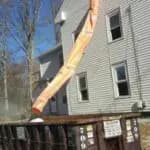
- Chute length and diameter — longer systems with larger openings cost more to deliver and maintain
- Rental duration — daily, weekly, and monthly rates differ; longer commitments yield per-day discounts
- Site access difficulty — narrow streets, tight alleys, and parking constraints add delivery logistics costs
- Local permitting requirements — Manchester’s building department may impose inspection or compliance fees
- Seasonal demand — spring and summer peak seasons inflate availability and pricing
- Weight of debris — heavier demolition debris (concrete, metal) may trigger overage charges
Daily Rental Rates & Duration Options
Daily rates form the foundation of most debris chute rental quotes in Manchester. Contractors typically see three pricing models: daily, weekly, and project-flat rates.
Daily rates (1–7 days): Range from $150–$300 per day depending on chute size and site complexity. These work best for short-term demolition or interior-gutting projects lasting under a week. Manchester contractors often use daily rentals for residential interior renovations or small commercial tearouts.
Weekly rates (8–30 days): Typically $700–$1,400 per week, offering 15–25% savings compared to stacked daily rates. Most mid-sized renovation projects in Manchester fall into this window. If your job runs 2–4 weeks, a weekly rate almost always beats per-day pricing.
Project-flat rates (30+ days): For jobs lasting a month or more, expect negotiated fixed fees ranging $2,000–$5,000+ depending on chute size and site conditions. Long-term commercial demolition or phased renovation builds benefit from flat-rate clarity.
When requesting a quote, always specify your exact rental window in days—not “a few weeks.” Precise scheduling lets vendors provide accurate pricing and reserve equipment.
Chute Size & Capacity Impact on Price
Chute dimensions directly correlate to cost. Smaller systems suit residential and light commercial work; larger systems handle high-volume demolition.
25-foot sections: The most common rental for residential renovations and single-story commercial projects. Daily rates start at $150–$200. These fit standard 4–6-story buildings and handle 3–5 tons of debris per load. Ideal for kitchen remodels, bathroom tear-outs, and interior wall removal.
50-foot systems: Preferred for multi-story commercial demolition and large renovation projects. Daily rates run $250–$350. They extend to 8–10-story buildings and manage higher-volume, heavier debris (concrete, dimensional lumber, metal studs). Most downtown Manchester commercial projects use 50-foot configurations.
For detailed comparisons, review the guide on comparing 50ft vs. 25ft chute sections, which breaks down ROI and capacity tradeoffs.
Diameter also matters: standard 30–36 inch openings are baseline; extra-large openings (42+ inches) for high-volume demolition add $30–$50 per day. Contractors demolishing concrete-heavy buildings often prefer the larger diameter to reduce load times and worker strain.
Seasonal & Weather Considerations
New Hampshire’s four-season climate directly impacts debris chute rental logistics and costs. Manchester experiences cold, snowy winters and busy construction springs—both affect pricing and availability.
Spring (March–May): Peak season. Rates peak by 20–30% due to contractor demand. If your project is flexible, delaying to late May or early June can yield 10–15% savings. Many Manchester contractors book chutes 6–8 weeks ahead during spring to guarantee availability.
Summer (June–August): Sustained demand keeps rates elevated. Heat can slow debris loading if workers lack shade breaks. Setup and removal during humid, high-traffic summer months occasionally incurs overtime fees.
Fall (September–October): Rates dip slightly as demand softens post-summer. Leaf debris complicates drainage around chutes; ensure the site drains properly after rain. Early-fall projects often offer the best value-to-reliability ratio.
Winter (November–February): Lowest rates, but snow, ice, and freezing rain create delivery and setup hazards. Many contractors avoid winter rentals unless urgent. If you proceed, budget for snow removal around the chute base and possible setup delays.
Delivery, Setup & Removal Fees
The rental price quoted is usually the chute itself. Delivery, installation, and pickup carry separate line items—often overlooked in initial budgets.
- Delivery fee: $200–$500 depending on site location within Manchester and access difficulty. Downtown sites with tight alleys cost more than suburban locations.
- Setup/installation: $150–$300 for professional installation, safety-strap attachment, and level-ground verification. DIY setup is not recommended; improper installation creates worker injury risk and contractor liability.
- Removal/pickup: $200–$400. If the site is inaccessible at pickup time (weather delay, site closure), rescheduling fees may apply.
- Dumpster exchange (if included): Some vendors roll debris disposal into the chute rental; others charge separately ($50–$150 per dumpster swap).
Always request an all-in quote: chute rental + delivery + setup + removal. Many contractors see bills inflated 20–30% due to overlooked ancillary fees.
Permits & Local Compliance Costs
Manchester’s building department requires permits for exterior equipment occupying street or sidewalk space. Expect permitting to add $100–$300 to your project cost.
Typical Manchester permit requirements:
- Construction Management Plan (CMP) or Temporary Use Permit for chute placement
- Proof of liability insurance (most chute rental companies carry this; verify before contract)
- Site photos and written description of chute location and duration
- Street closure or lane-use notification if the chute obstructs traffic
Processing time is usually 5–10 business days. File early—delays can push your rental start date back and inflate cost. Manchester’s Department of Public Works and Planning Board oversee permits; contact manchester-nh.gov for current requirements.
Hidden Costs Every Contractor Should Know
Beyond the base rental and delivery, several sneaky charges surprise contractors mid-project. Planning ahead mitigates these.
Overage and weight surcharges: If debris weight exceeds the chute’s rated capacity or rental duration, vendors charge per-ton overage fees ($50–$150 per ton). Demolition debris—especially concrete—is deceptively heavy. A 50-foot chute handles roughly 8–10 tons per rental period. Heavy projects need weight estimates upfront.
Damage and repair charges: Dents, cracks, or missing safety straps on return trigger repair fees ($100–$500). Protect the chute from forklift strikes and weather exposure during the rental.
Extended hold fees: If you miss the pickup appointment, a daily “hold fee” ($50–$100) applies. This is often buried in vendor contracts; read the fine print.
Hazardous material surcharges: Asbestos, lead paint, or treated wood requires special handling and disposal. Contractors must disclose these upfront; vendors charge premium rates (sometimes 50%+ more) for certified hazmat disposal.
Site condition fees: Soft ground, narrow driveways, or upper-floor access may trigger additional setup costs. Get a site assessment quote before committing.
Review the detailed guide on hidden costs of modular chute kits for a deeper breakdown of contractor blind spots.
Rental vs. Purchase: ROI for Manchester Contractors
For established contractors, owning a chute system can be more cost-effective than perpetual rentals. The breakeven point depends on project frequency and utilization rates.
Rental model economics: At $200/day, a typical contractor spending 100 days per year on chute rentals pays $20,000 annually. Over 5 years, that’s $100,000 in rental expense with zero asset accumulation.
Purchase model economics: A modular chute system costs $15,000–$30,000 upfront. Add maintenance ($500–$1,500/year), storage ($200–$500/year), and transportation ($1,000–$2,000/year). Year-one cost is $17,000–$34,000. Years 2–5 drop to $2,000–$4,000 annually (maintenance + storage + transport only).
Breakeven math: If you rent 75+ days annually, ownership often beats rental by year 2–3. If you rent fewer than 50 days per year, rental remains cheaper despite no asset value.
Consult the Debris Chute Rental vs. Purchase ROI Calculator for a personalized breakeven analysis based on your project volume.
Budget Strategies & Cost-Saving Tips
Smart contractors use timing, site planning, and negotiation to reduce debris chute costs by 15–25%.
- Book off-season: November–February rates drop 20–30% versus spring. If project timing allows, winter rentals offer significant savings (despite weather challenges).
- Consolidate rental windows: Instead of renting for two separate 2-week phases, rent once for 4 weeks. Volume discounts often apply.
- Plan site access upfront: Tight access = high delivery fees. Design your site logistics to maximize chute placement efficiency; avoid multiple relocations.
- Load strategically: Avoid overage charges by segregating debris and disposing of heavy material (concrete, metal) separately or through recycling partners.
- Negotiate flat rates for long projects: Vendors prefer predictable revenue. Propose a fixed 4-week fee rather than daily rates; you often save 10–20%.
- Bundle services: Ask if dumpster disposal, debris removal, and chute rental can be combined for a package discount.
- Insurance and permits: Some contractors carry their own liability insurance and handle permitting internally, negotiating lower vendor fees in exchange.
Site Conditions That Increase Cost
Every Manchester site is unique. Certain physical constraints inflate rental costs significantly.
Narrow or cluttered access: Downtown Manchester buildings often have tight alleyways, overhead power lines, or limited street parking. Delivery vehicles may need escorts or street-use permits. Cost impact: +$200–$500 in logistics and permit fees.
Upper-floor placement: Chutes extending beyond 4–5 stories may require additional bracing, wind-load calculations, or structural engineer sign-off. Cost impact: +$300–$800 in engineering and reinforcement.
Soft or sloped ground: If the site lacks level, compacted soil at the chute base, ground-reinforcement plates or gravel pads are required. Cost impact: +$150–$300.
Historic or noise-sensitive neighborhoods: Some Manchester areas (near residential zones or historic districts) impose noise hours and vibration limits. Extended setup or specialized damping may be required. Cost impact: +$200–$400.
High-volume or heavy debris: Concrete demolition, masonry, or metal-heavy projects exceed standard chute capacity. Additional dumpster swaps or overage fees apply. Cost impact: +$300–$1,000+.
Local Regulations & Manchester-Specific Requirements
Manchester’s planning and building codes directly shape debris chute rental terms. Contractors unfamiliar with local rules often face delays or penalties.
Manchester Building Code (adopted from NH Building Code): Temporary construction equipment must meet fall-protection and structural-safety standards. Chutes must be professionally installed and inspected before use on multi-story buildings. Most rental vendors handle this compliance; confirm in your contract.
Street use and traffic: If the chute occupies a public right-of-way (sidewalk, parking lane, or street), the City of Manchester requires a Temporary Use Permit through the Department of Public Works. Processing time: 5–10 days. Fee: $50–$150 depending on size and duration. manchester-nh.gov/departments/public-works oversees these permits.
Noise ordinance: Manchester Code Sec. 76 limits construction noise to 7 AM–6 PM weekdays. Debris-chute loading and dumpster drops must respect these hours. Violators face fines and site-closure orders. Factor this into your project schedule.
Environmental disposal: New Hampshire’s waste-management rules classify construction debris; hazardous materials (lead, asbestos) require certified disposal. Confirm that your vendor is licensed for the debris types you’re generating. EPA construction and demolition debris facts outline national best practices; New Hampshire mirrors these for most projects.
Insurance and liability: Manchester contractors should carry commercial general liability ($1–2M minimum) covering temporary equipment. Verify that your chute vendor’s certificate of insurance names you as additional insured. This protects you if a chute-related injury occurs.
Frequently Asked Questions
What is the average daily debris chute rental cost in Manchester, NH in 2026?
Standard 25–50 ft chutes rent for $150–$300 per day depending on size, site access, and season. Spring and summer peak rates run toward the high end; fall and winter offer 20–30% discounts. Request quotes from 2–3 vendors to compare. Most Manchester contractors budget $200–$250 daily for mid-range rentals.
Do I need a permit to rent a debris chute in Manchester?
Yes, if the chute occupies public property (street, sidewalk, or parking lane), you need a Temporary Use Permit from Manchester’s Department of Public Works. Processing takes 5–10 days and costs $50–$150. Private-property-only placement may not require a permit, but confirm with the city before starting work. Many chute vendors include permit coordination in their service.
Can I save money by renting a debris chute for longer than I think I’ll need?
Often, yes. Weekly and monthly rates offer 15–30% discounts versus stacked daily rates. If your project might run 3–5 weeks, negotiate a flat 4-week fee upfront. Unexpected delays (weather, permit holds, discovery of additional demolition) are cushioned by pre-paid time, avoiding costly daily overage charges.
What happens if my project produces more debris than the chute can handle?
Overage and weight surcharges apply, typically $50–$150 per ton over the chute’s capacity. A 50-foot chute handles ~8–10 tons per rental period. For heavy demolition (concrete, masonry), plan a weight estimate upfront. Some contractors segregate heavy debris for separate disposal (recycling partners, scrap-metal buyers) to avoid surcharges.
Is it cheaper to rent or buy a debris chute for my contracting business?
Breakeven depends on annual utilization. If you rent 75+ days yearly, ownership typically pays back in 2–3 years. If you rent fewer than 50 days annually, rental remains cheaper. Use the Debris Chute Rental vs. Purchase ROI Calculator to model your specific scenario. Purchase also requires upfront capital, storage, and annual maintenance ($2,000–$4,000).
What hidden fees should I ask about when getting a debris chute quote?
Always clarify: delivery fee, setup fee, removal fee, dumpster swap charges, damage/overage surcharges, permit handling, and extended-hold penalties. Request an all-in quote covering chute rental + all ancillary services. Many contractors see invoices inflated 20–30% due to overlooked line items. Read the fine print on damage liability and cancellation policies.
How does winter debris chute rental differ from summer rental in Manchester?
Winter rentals are 20–30% cheaper due to lower contractor demand, but snow, ice, and freezing rain complicate delivery and setup. Cold temperatures can make certain materials brittle or harder to load. You may need to plan for chute-base snow removal and possible setup delays. Spring and fall offer the best balance of moderate pricing and predictable weather.
Get Started with Your Manchester, NH Debris Chute Estimate
Accurate budgeting starts with a clear quote from a local vendor who understands Manchester’s site conditions, permitting, and seasonal factors. Use this guide to ask informed questions: chute size, rental duration, delivery and setup, permits, and all-inclusive pricing.
If you’re planning a renovation or demolition in Manchester, check out the Debris Chute Setup for Manchester, NH Contractors guide for step-by-step placement and safety instructions. For nearby markets, the How Much Does Debris Chute Setup Cost in New Hampshire article covers statewide pricing trends, and the Nashua, NH pricing guide provides comparison data from a nearby major city.
Ready to avoid costly mistakes? Review the Debris Chute Setup Mistakes to Avoid in New Hampshire checklist and the Spring Debris Chute Setup Checklist for New Hampshire before your next project. Whether you’re a one-person operation or a larger firm, proper planning and understanding local requirements will keep your project on budget and on schedule.
Contact a debris chute vendor in Manchester today with your project details—site address, estimated debris volume, timeline, and site-access photos. Most providers respond with detailed quotes within 24 hours. Lock in competitive pricing and confirm availability, especially during peak spring and summer seasons.